Walkable Living in Franklin, TN: When Location Matters
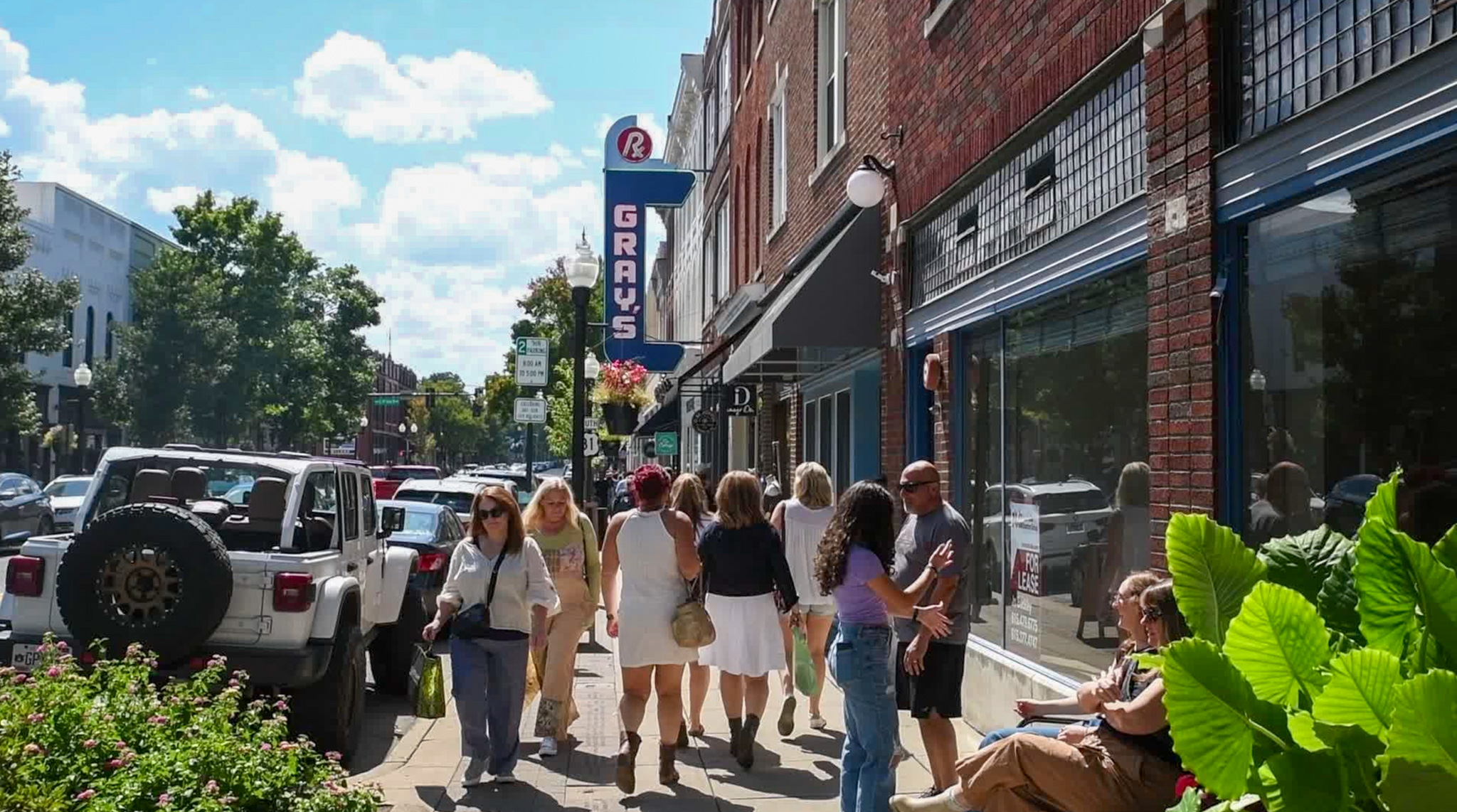
Walkable living in Franklin, TN, has become an important part of how many residents think about daily life. Being able to walk to dinner, take an evening stroll, meet friends nearby, or spend time outdoors without planning a drive can shape routines in meaningful ways. For many people, walkability is closely tied to quality of life and how connected they feel to the community around them.
What Walkable Living Looks Like in Franklin
Franklin is not a big city, and walkability here has its own character. It is less about leaving the car behind and more about having the option to walk when it fits the moment. A walkable area is one where residents can step outside and reach places they regularly use, such as a restaurant, coffee shop, park, trail, or community gathering space, without needing to plan a drive. That balance between access and flexibility is what makes certain areas of Franklin especially appealing.
Most people in these areas still rely on their cars for work, school, and major errands. The difference is that outings do not always require getting behind the wheel. Dinner plans can start with a walk. An evening stroll might end at a local event. A visit to a park or trail can happen on impulse rather than as a planned outing.
Historic Downtown Franklin: Walkability at the Center of Town
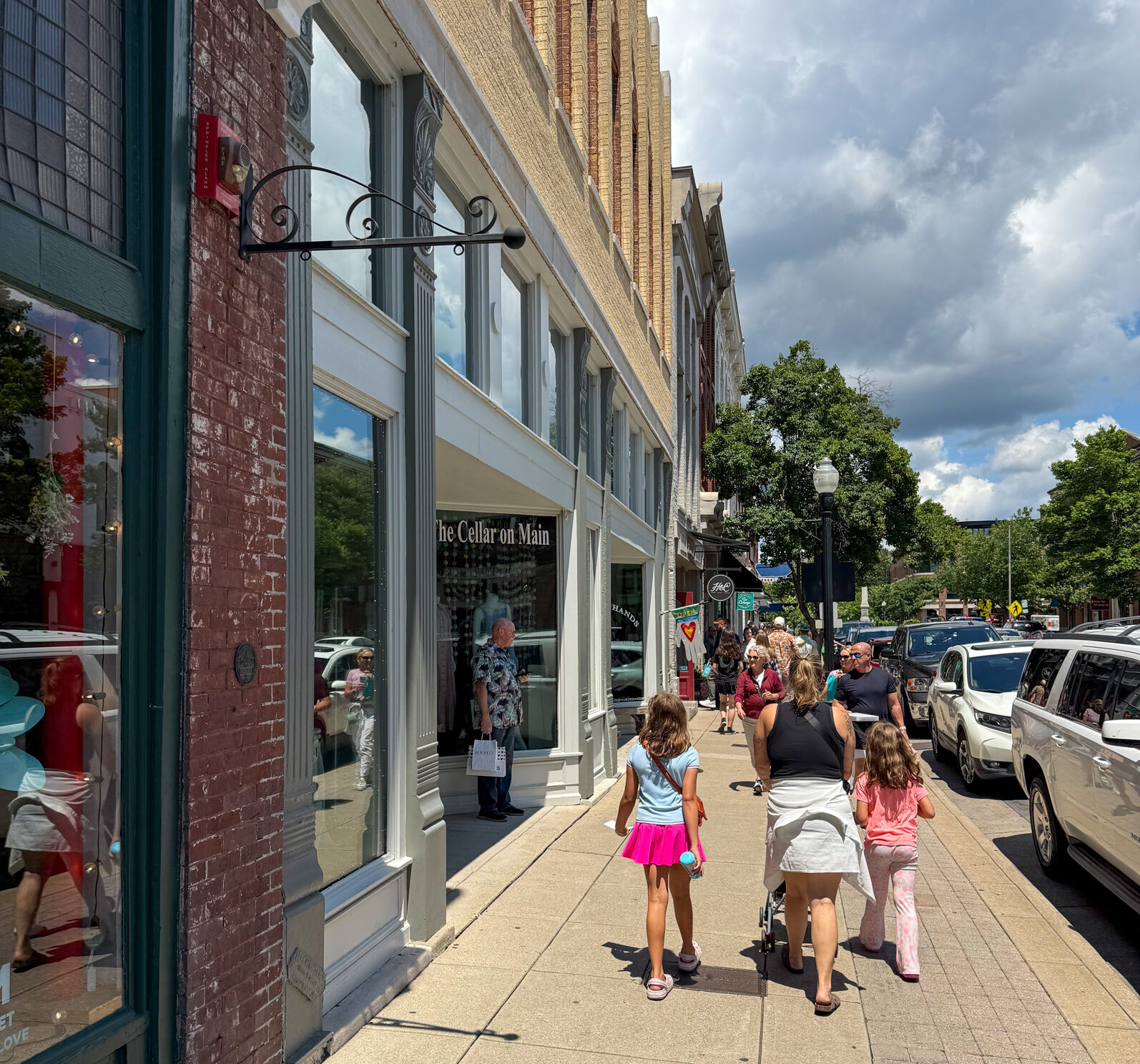
Downtown Franklin is often the first area people think of when walkable living in Williamson County comes up. Living near the square or just off Main Street puts much of Franklin’s everyday activity within a short walk.
From downtown, residents can walk to:
- Restaurants, coffee shops, and bakeries
- Boutiques, bookstores, and specialty shops
- Art galleries, art crawls, and seasonal events
- Live music, films, and performances at The Franklin Theatre
- Parks, walking paths, and public gathering spaces
That proximity makes everyday plans easier. Dinner, a show, or a community event can happen without factoring in traffic or parking, which is a major draw for people who enjoy being out regularly.
Housing near downtown reflects the area’s history and layout. Homes tend to be smaller and closer together, with a mix of historic houses, cottages, apartments, and newer homes built within established blocks. Yards are usually compact, and parking can be more limited than in other parts of town, but those tradeoffs support a more concentrated, walkable environment.
Newer residential development is also being introduced at the edges of downtown, including projects like The Margin District just south of Main Street, which will add modern residences alongside retail and office space while extending downtown’s walkable footprint.
Westhaven: Walkability Built Into a Neighborhood
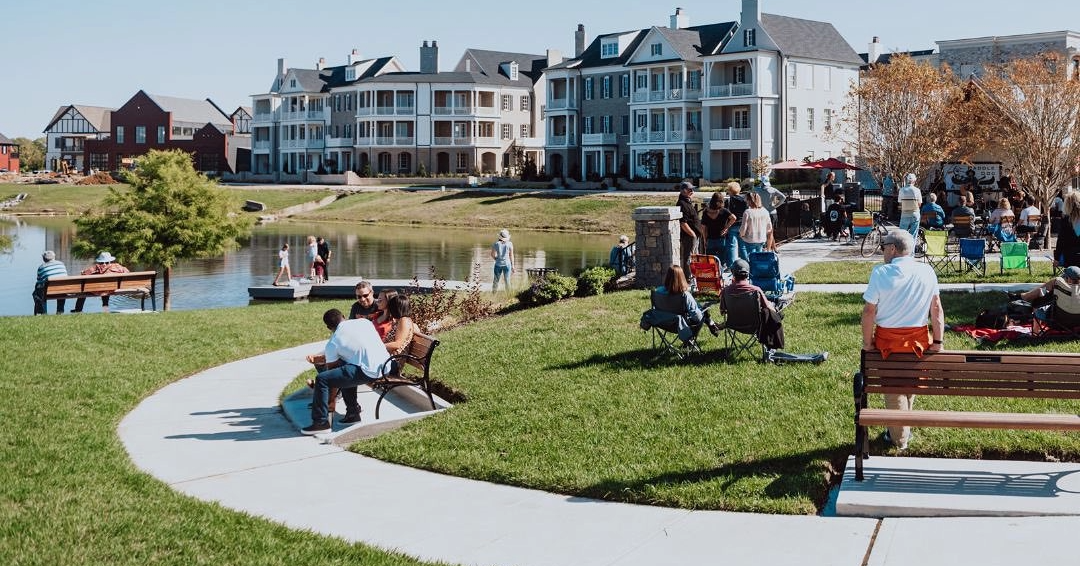
Westhaven offers a different take on walkable living. Instead of historic streets or a single commercial core, it is a master-planned community where sidewalks, trails, and gathering places were part of the design from the start. Walkability here is built into daily routines rather than centered on one destination.
Within Westhaven, residents can walk to:
- Front Street restaurants, coffee spots, and shops
- Professional offices and everyday services
- Community events and seasonal gatherings
- Neighborhood lakefront, trails, green spaces, and recreation areas
- The Westhaven Golf Club, clubhouse, pools, and fitness amenities
Westhaven is also known for its neighborhood events, including Porchfest and other community-wide activities that encourage residents to get outside and connect with one another. It is common to see people walking dogs, heading out to dinner, or meeting neighbors without leaving the neighborhood.
Housing in Westhaven includes a mix of single-family homes, condominiums, and smaller-lot properties. While some homes are larger and designed for families, there are also townhomes and more compact options that appeal to buyers who want a lower-maintenance lifestyle while staying in a walkable setting. Front porches, sidewalks, and neighborhood layout play a big role in how connected the area feels.
Berry Farms: Everyday Walkability With Newer Homes
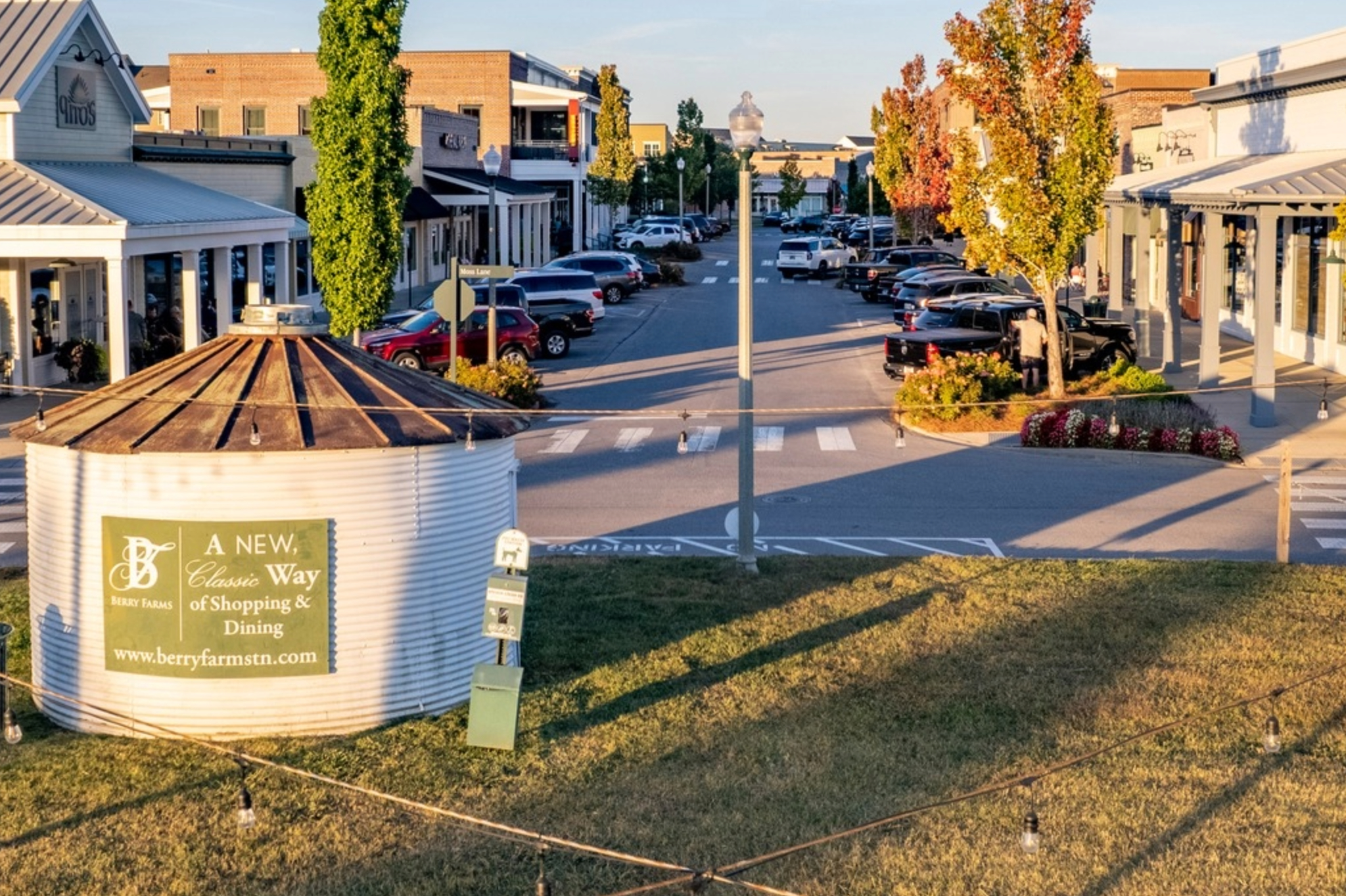
Just south of Franklin, Berry Farms has become a popular option for people who want walkable access to everyday destinations without living in the downtown area. Designed as a mixed-use community, Berry Farms places homes, restaurants, shops, and gathering spaces close together, with sidewalks and trails connecting the area.
From many homes in Berry Farms, residents can walk to:
- Restaurants, coffee shops, and casual dining
- Everyday services and neighborhood retail
- Walking trails and green spaces within the community
- Seasonal events and community gatherings
- The Farm Stand at Berry Farms
Because many of these destinations are within a short walk, grabbing coffee, meeting friends for dinner, or heading out for a stroll does not require getting in the car, even though residents still drive for work and larger errands.
Housing in Berry Farms is primarily newer construction, which appeals to buyers looking for modern layouts and lower maintenance. The neighborhood includes apartment-style residences and townhomes near the commercial center, as well as single-family homes ranging from smaller, walkable lots to more traditional residential settings. Much of Berry Farms is connected by sidewalks and trails, particularly near the mixed-use core, allowing many residents to walk to shops, dining, and community events, while outer residential areas rely more on neighborhood streets for connectivity.
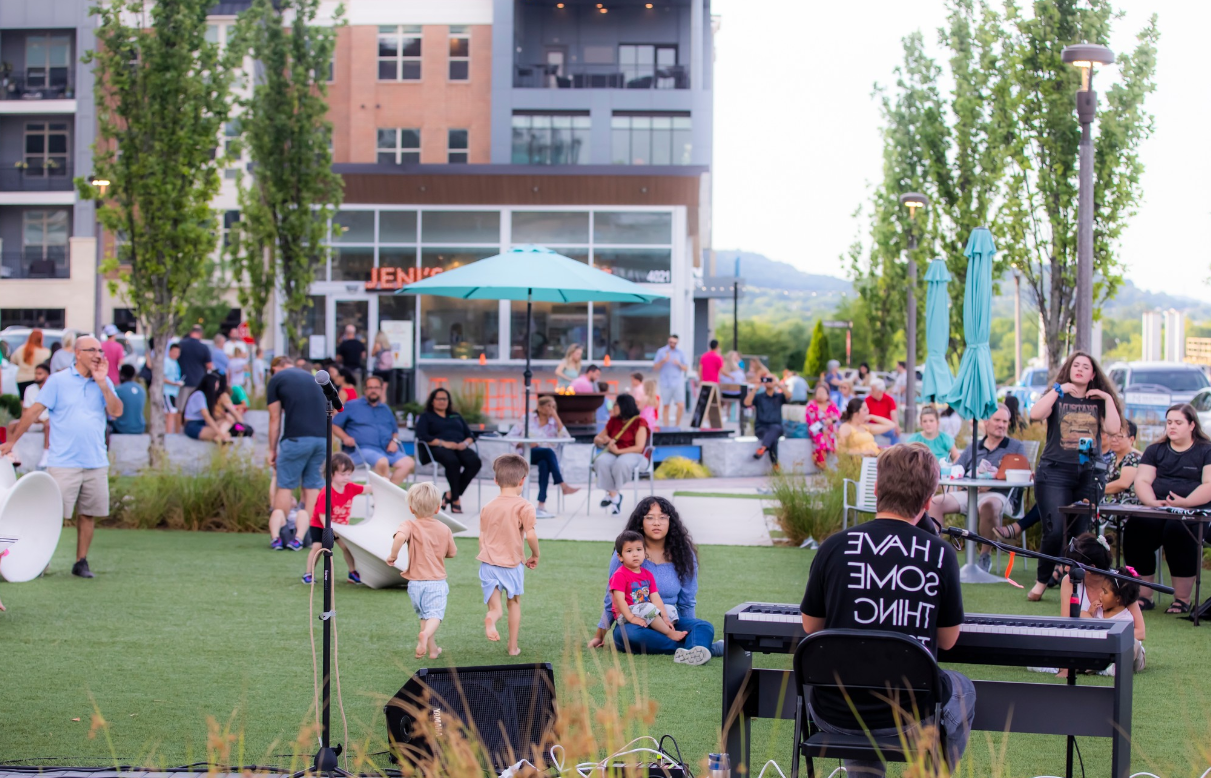
McEwen Northside: Walkability in a Mixed-Use District
McEwen Northside feels more like a district than a traditional neighborhood. It is newer, more contemporary, and designed around wide sidewalks, green spaces, and places where people naturally gather. Walkability here is intentional, with buildings oriented toward pedestrians rather than parking lots.
Walkable living at McEwen Northside often looks like:
- Walking to dinner, coffee, or casual dining
- Attending outdoor events in McEwen Northside Central Park, markets, or pop-up activities
- Spending time in shared green spaces without needing to drive
Housing options at McEwen Northside are primarily apartment-style residences, including upscale rental communities located within or immediately adjacent to the district. These homes appeal to residents who want close access to dining, retail, and events with minimal upkeep.
While there are no traditional single-family homes within McEwen Northside itself, nearby townhomes and residential neighborhoods benefit from proximity to the district. Rather than offering a classic neighborhood feel, McEwen Northside provides a walkable environment centered on activity, events, and everyday convenience.
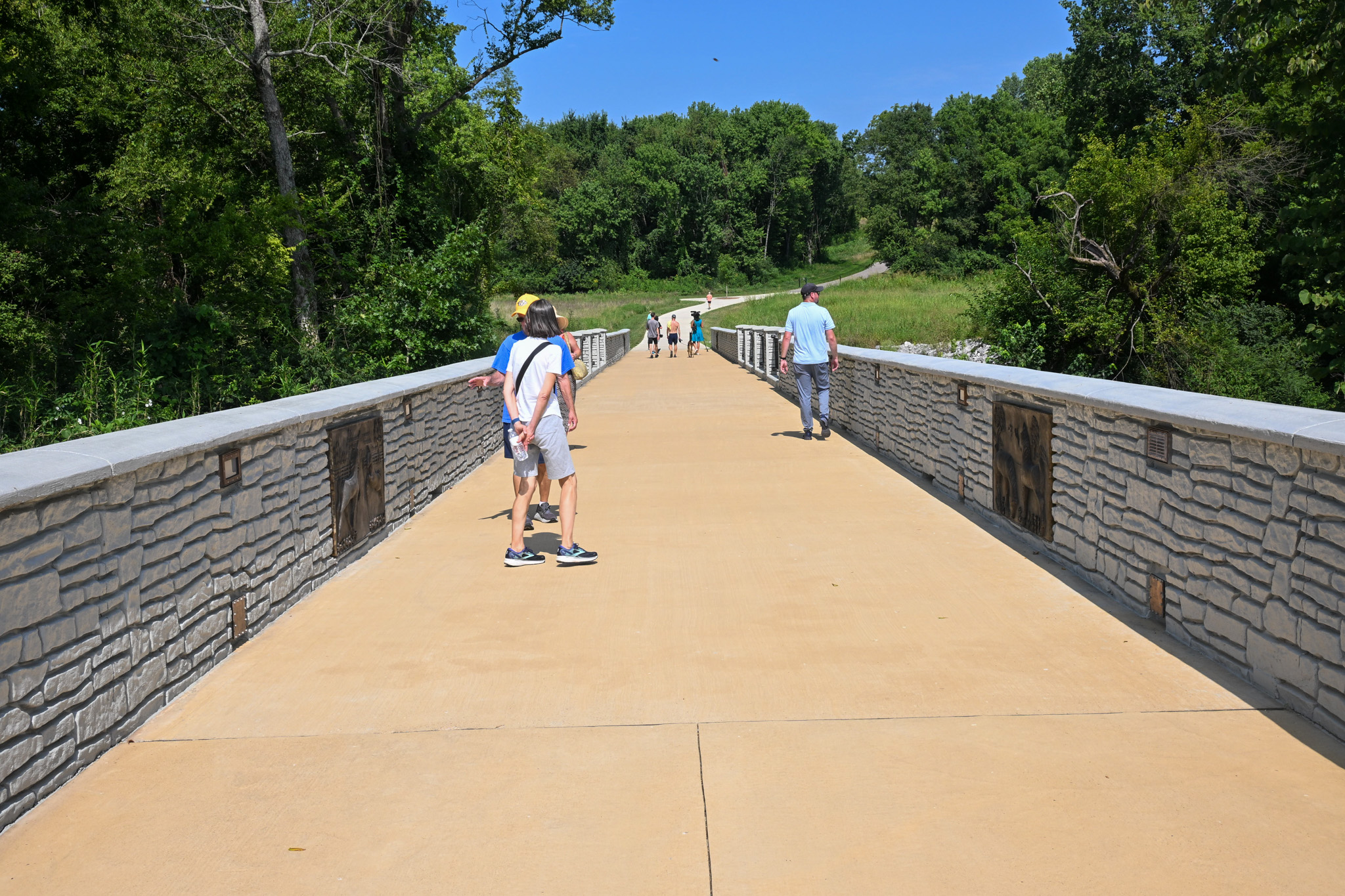
Parks and Greenways: Walkable Access to Outdoor Space
In Franklin, walkable living is not limited to dining districts or town centers. For many residents, being able to walk to parks, greenways, and trails is just as meaningful. These spaces extend walkability into daily routines, especially in neighborhoods without nearby retail.
Living near a park or greenway allows residents to step outside for a walk, bike ride, or spend quiet time outdoors without driving across town. In that way, parks become part of the city’s walkable network even when shops and restaurants are farther away.
Harpeth River Greenway
As a multi-use paved trail, the Harpeth River Greenway serves walkers, runners, and cyclists, with multiple access points that connect nearby neighborhoods to parks and extended stretches of car-free outdoor space.
This paved path follows the river and connects multiple public spaces, including Bicentennial Park, The Park at Harlinsdale Farm, and Judge Fulton Greer Park, with access points near downtown and surrounding neighborhoods. Neighborhoods near the greenway benefit from direct access to long, uninterrupted walking routes that are scenic and removed from traffic.
Pinkerton Park and the Fort Granger Trail
Pinkerton Park sits just north of downtown and plays an important role in walkable living close to the city center. The park features a paved loop trail and a pedestrian bridge over the Harpeth River, providing easy access from nearby neighborhoods. A path from the park leads up to Fort Granger, a historic Civil War site with sweeping views of Franklin.
Homes near Pinkerton Park benefit from walkable access to green space and downtown via the pedestrian bridge and sidewalks, allowing residents to move easily between nature and Main Street without getting in the car.
The Park at Harlinsdale Farm
The Park at Harlinsdale Farm is a historic former horse farm that now serves as one of Franklin’s most significant walkable open spaces. Located just west of downtown, the park is accessible from surrounding neighborhoods via sidewalks, neighborhood streets, and trail connections, making it part of the city’s everyday walking network.
For residents living nearby, walkability here is centered on direct access to large-scale green space. The park’s expansive fields and paths support longer walks and regular outdoor routines, while its proximity to downtown allows people to move easily between residential areas, open land, and the city center.
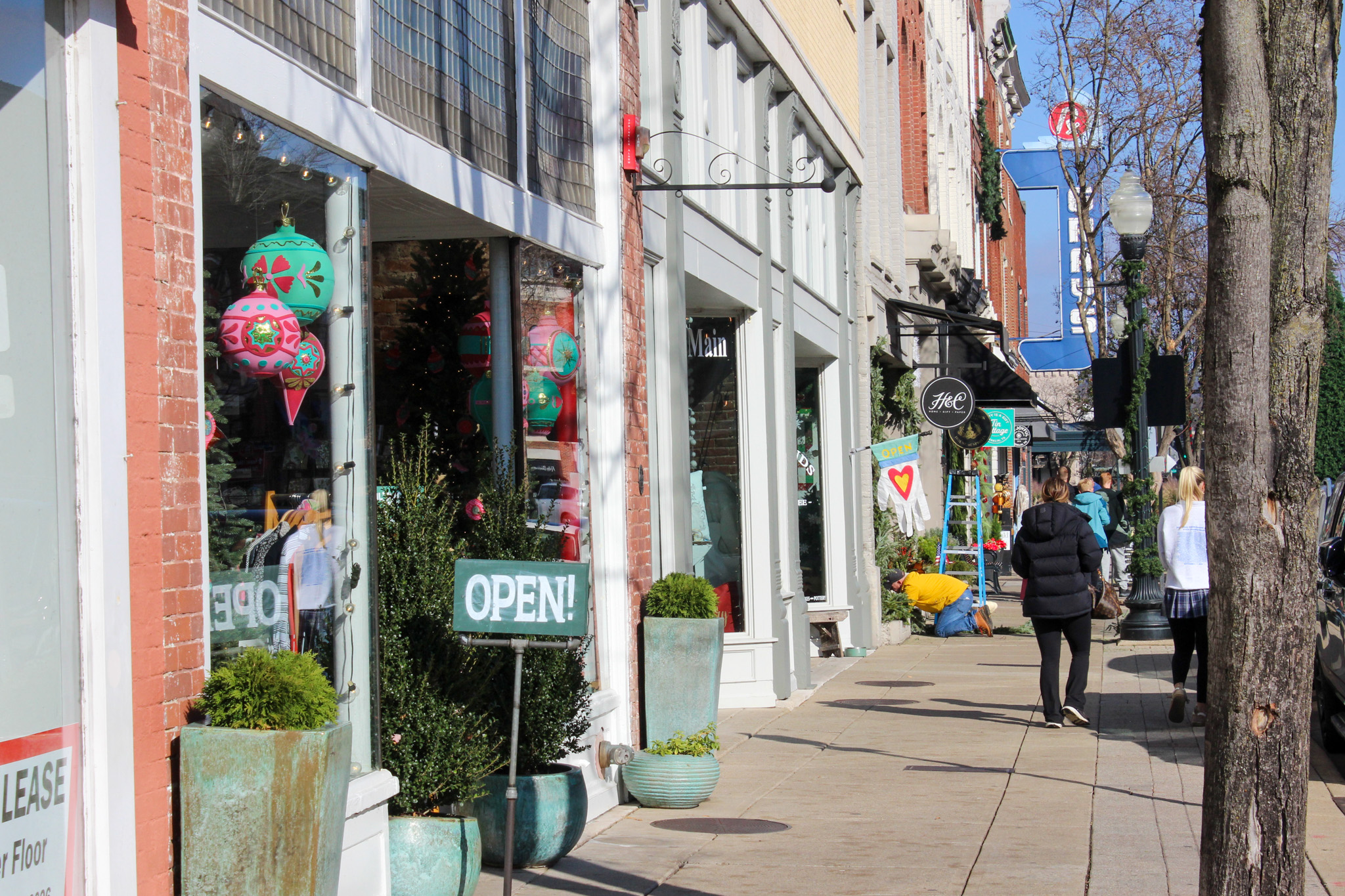
Walkable Living, Franklin Style
Walkable living in Franklin is shaped by where you choose to live and how you want walking to fit into daily life. In some areas, that means stepping out the door to dinner, events, or downtown activities. In others, it looks like easy access to parks, trails, and open space.
Rather than offering a single definition of walkability, Franklin supports multiple ways to experience it. Historic neighborhoods, master-planned communities, mixed-use districts, and connected park spaces each offer their own version, allowing residents to prioritize what matters most to them.
That flexibility is what defines walkable living in Franklin. It’s not about walking everywhere; it’s about living close enough to everyday destinations that walking becomes part of the routine.
Further Reading: Living, Dining, and Getting Around in Franklin
For readers interested in exploring how walkability shapes daily life, these articles offer deeper context on getting around, dining, working, and living in Franklin, Tennessee.
- How to Explore Franklin, Tennessee Without a Car
A practical guide to navigating Franklin on foot, by bike, and using tours and pedestrian routes, with tips for seeing historic sites, downtown highlights, and local attractions without relying on a car. - Franklin’s Foodie Neighborhoods: Where to Eat by Area
A neighborhood-organized dining guide that highlights Franklin’s local cafés, bakeries, and restaurants. - Working Remotely in Franklin and Williamson County, TN: The Best Spots for Productivity
A local guide to work-friendly cafés, co-working spaces, and public places where remote workers can stay productive.