Lotz House Cellar Tour Lets Visitors Dig Into Franklin History
Beneath the Lotz House in Franklin, TN, history is still being uncovered one handful of dirt at a time.
The Lotz House Hands on History Cellar Tour takes guests below one of Franklin’s most significant historic homes and into an unimproved, largely dirt-floored cellar, where small groups can search for artifacts connected to the property’s past. The tour gives visitors the chance to do more than look at preserved rooms and museum displays. They get to dig in the ground and help uncover pieces of the story that may have been hidden for generations.
FranklinIs recently sat down with Tony Morreale, a Lotz House guide who helped launch the Hands on History Cellar Tour, to talk about his interest in Civil War history, the Lotz family’s story, and why the dirt-floored cellar offers such a direct connection to Franklin’s past.
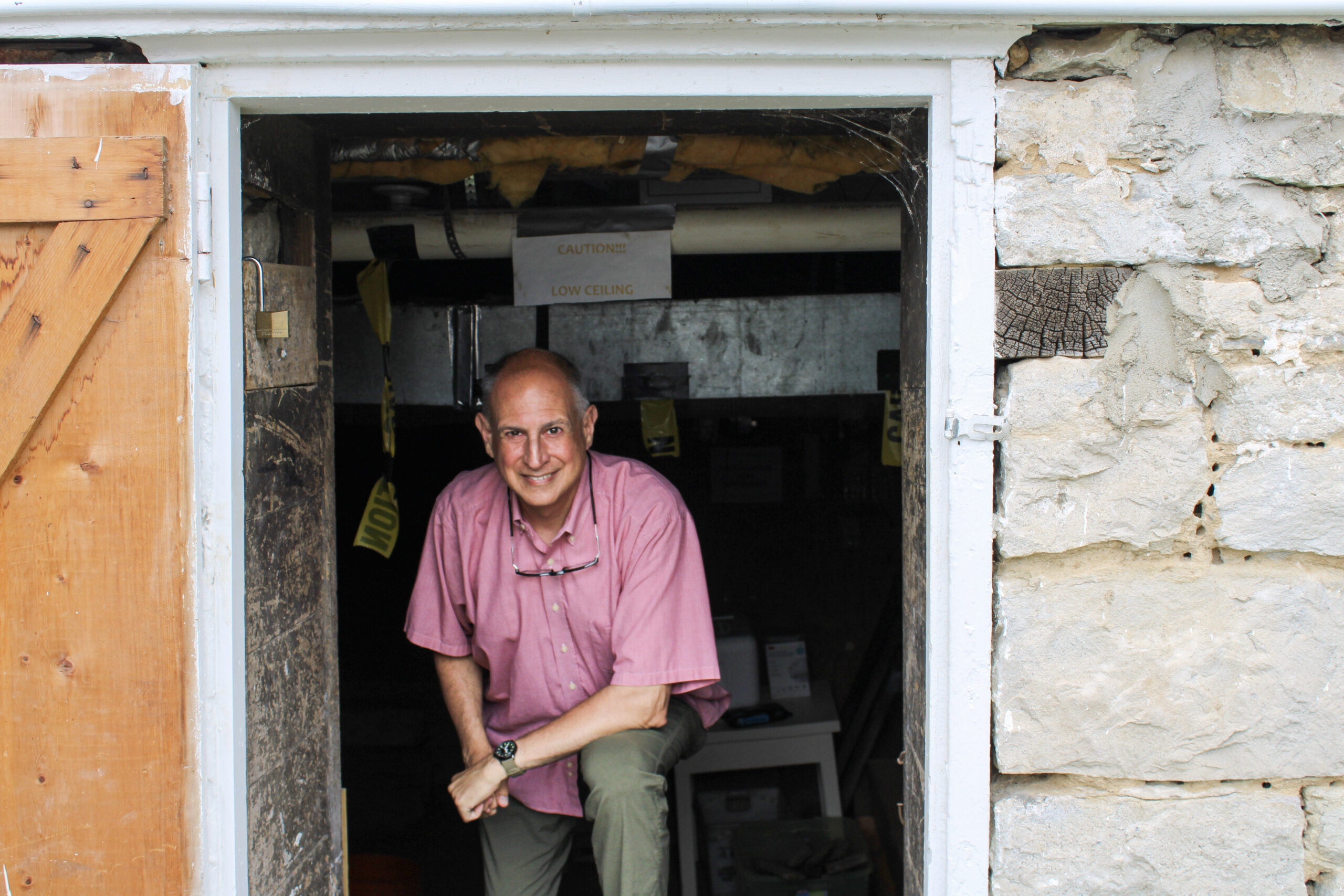
Tony Morreale at the cellar entrance of Lotz House in Franklin, TN
Tony Morreale’s Lifelong Interest in Civil War History
Morreale became involved with the Lotz House in September 2025 when the museum needed part-time help, and he was looking for what he called “a little bit of mental change.” He has known Thomas Cartwright, executive director of the Lotz House, for more than 30 years. The two used to participate in reenactments together, and Morreale’s background made the opportunity a natural fit.
History has been part of Morreale’s life since childhood. He traces his interest in Civil War history back to third grade, when the only book left on the table for a school book report was about the Battle of Gettysburg. His mother helped him with the report, and that spring break, his family traveled from Michigan to Gettysburg, Pennsylvania.
“That was the hook,” Morreale said.
After moving to Middle Tennessee, Morreale eventually settled in Franklin with his wife, drawn in part by Williamson County schools and the community. Living in Franklin brought him closer to a Civil War landscape he had studied for much of his life.
“As a kid, I’d always wanted to live in a Civil War battlefield or a town,” Morreale said. “I never thought it would be Franklin.”
Now, years later, his lifelong interest in Civil War history has brought him to one of Franklin’s best-known historic sites, where he helps visitors understand not only the Battle of Franklin, but also the family who lived through it.
He noted that Franklin was not always as widely recognized as other Civil War sites, especially when he was growing up. Over the last 20 to 25 years, preservation work has helped change that. Through battlefield reclamation, public interpretation, and interest sparked by books such as The Widow of the South, more visitors have come to understand Franklin’s role in Civil War history. Morreale said the preservation work in Franklin has been significant, especially given that the battlefield was once considered largely lost. Today, places around the Carter House, the Eastern Flank, and the surrounding battlefield help tell a story that was nearly erased by development.
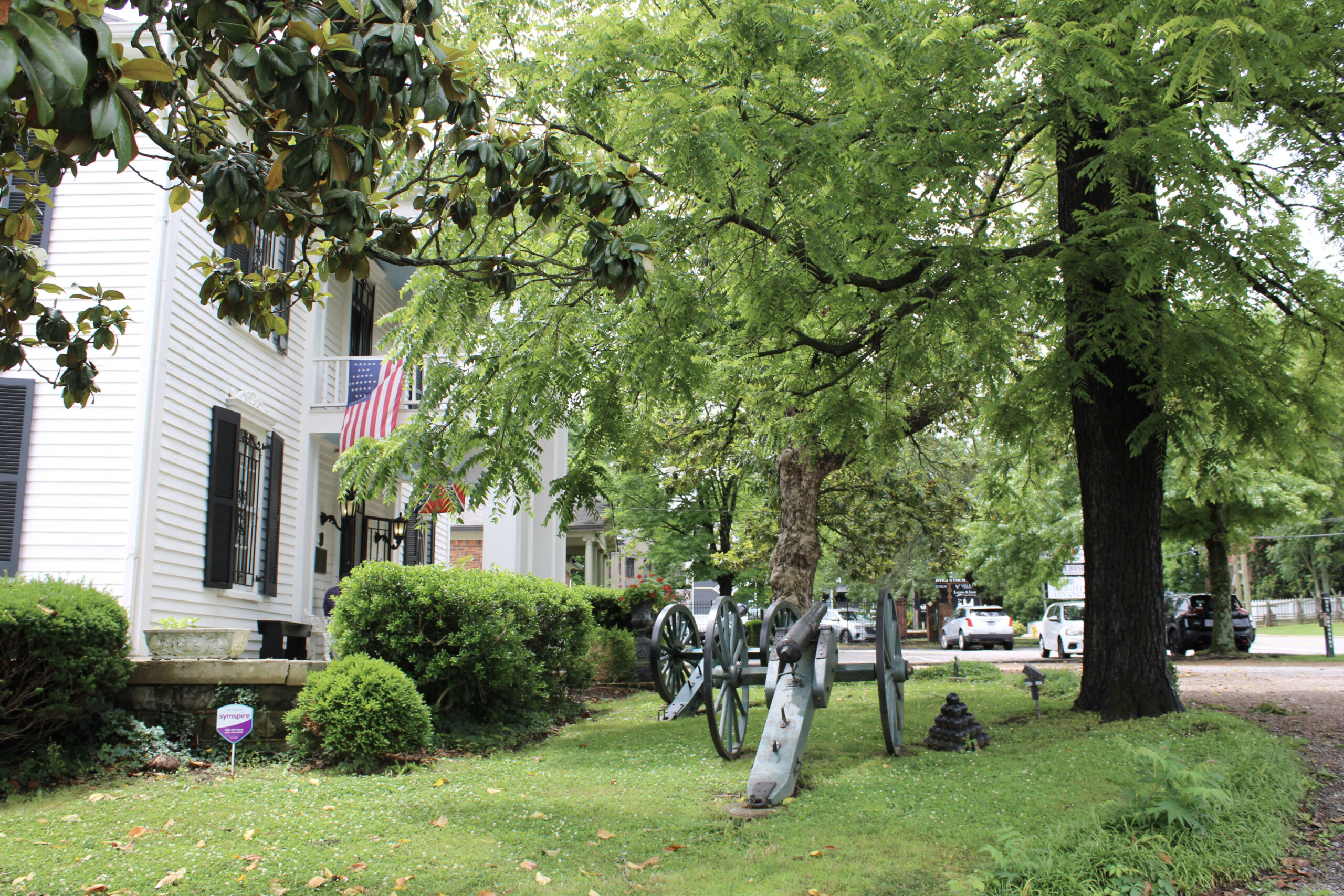
Lotz House, Franklin, TN
The Lotz House in Franklin Tells a Family Story
While the Lotz House is closely tied to the Battle of Franklin, Morreale emphasizes that it is also a civilian story.
“This is a human story,” he said. “We can talk about the battle all day long. But the story here at the Lotz House is of a German immigrant family.”
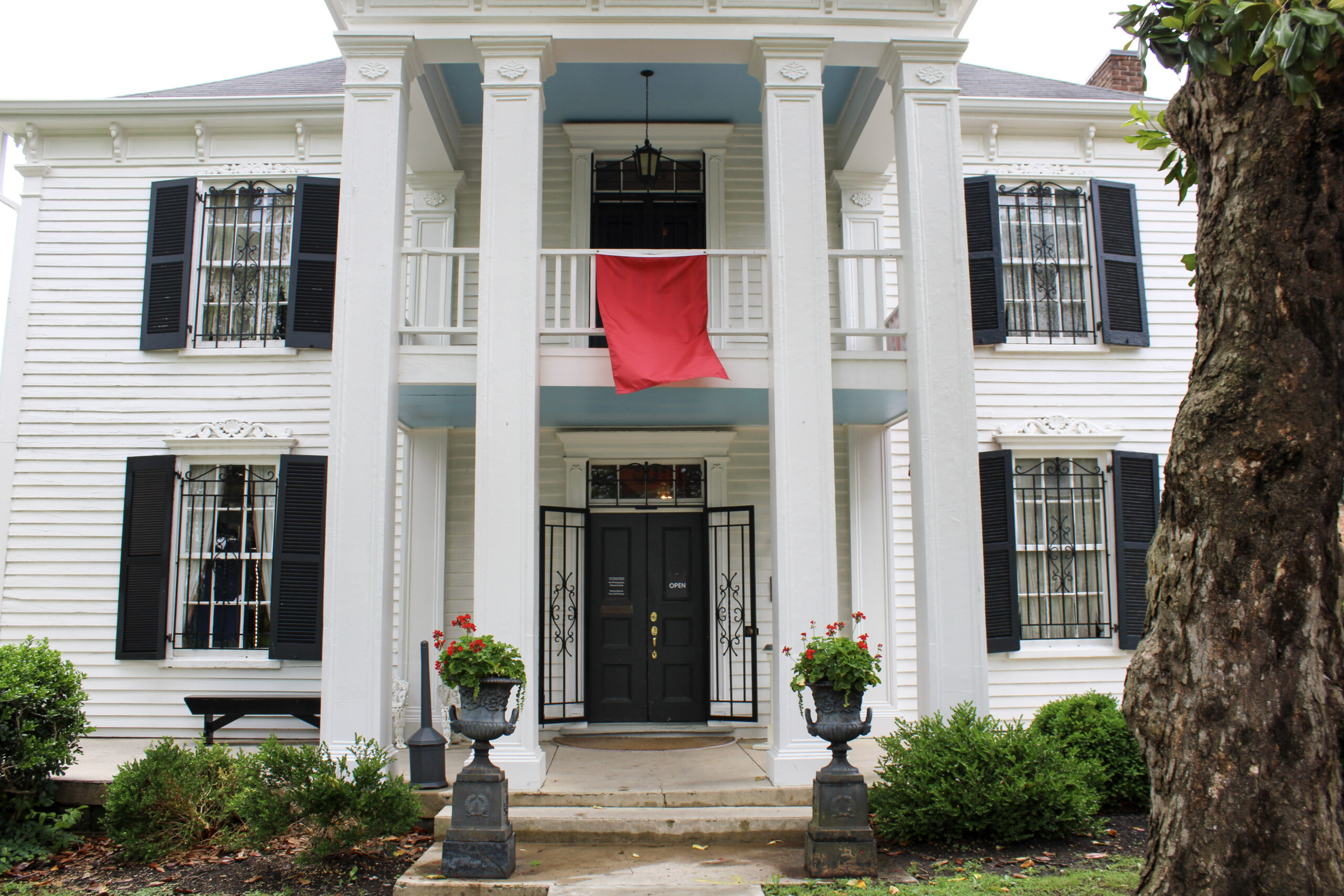
Johann Albert Lotz came to the United States from Germany and eventually settled in Franklin, where he built the home that still stands on Columbia Avenue. Morreale describes Lotz as a German master craftsman who could build furniture, musical instruments, and homes. The Lotz House was not only his family residence, but also a showcase for his work.
Details throughout the house showed potential customers what Lotz could create, from trim work and mantels to exterior details and decorative elements. Morreale said the house functioned almost like a model home, with craftsmanship that visitors could see and request for their own homes.
Outside, Morreale pointed to details such as the decorative exterior trim and acorns beneath the soffit, showing how Lotz used the home to display what he could build.
The family’s story extends far beyond Franklin. Morreale points out that the Lotz family traveled from Germany to New Orleans, Cincinnati, Nashville, Franklin, and California. Matilda Lotz, who was a child during the Battle of Franklin, later became a world-renowned painter whose life took her to London, Paris, North Africa, Cairo, and beyond. Other members of the family also went on to notable lives and careers.
For Morreale, that broader family story is one of the details that often surprises visitors.
“They survived this, and then they thrived,” he said.
The Battle of Franklin and the Lotz Family
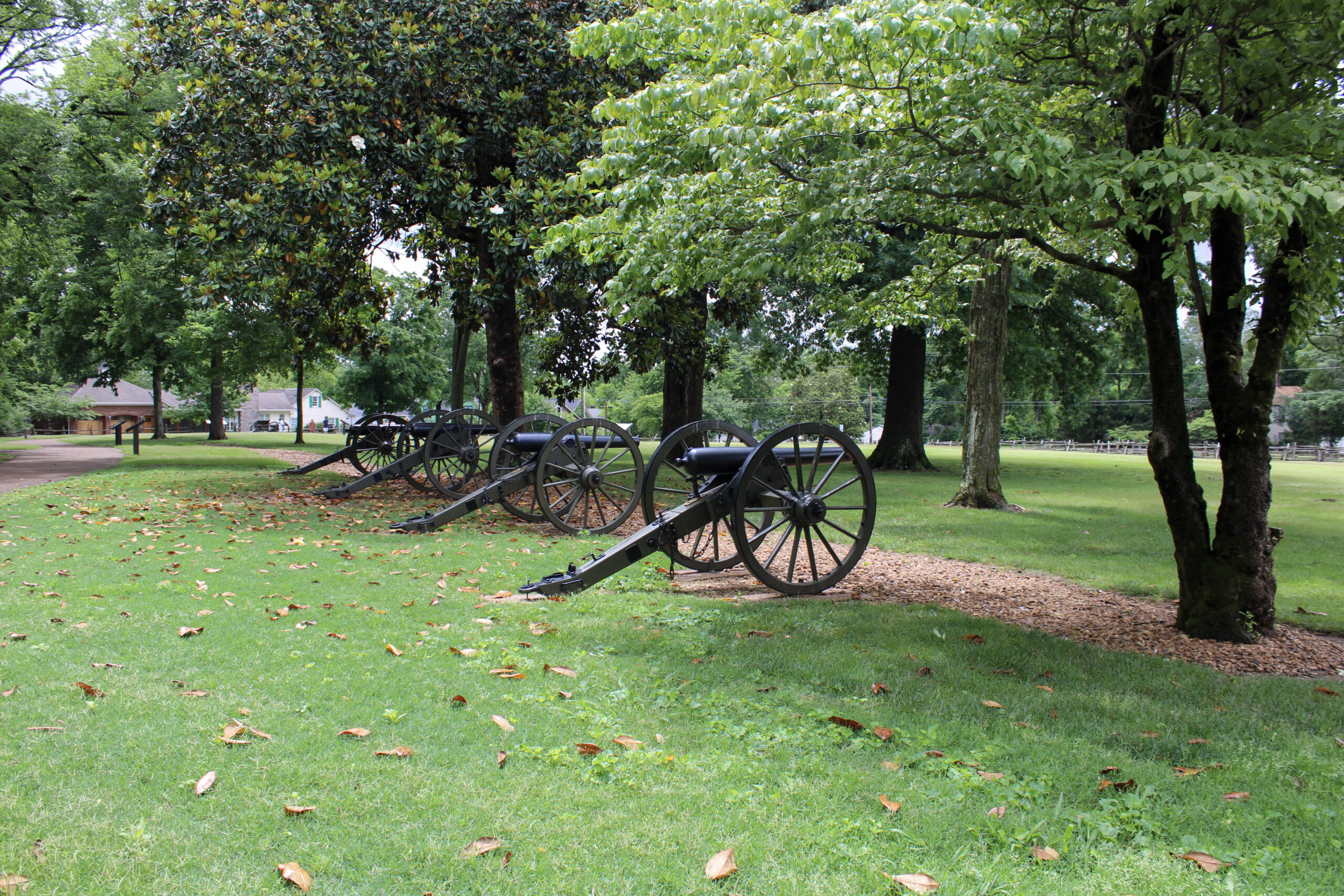
The Lotz House stands near the center of one of the most intense areas of the Battle of Franklin, fought on November 30, 1864. The main Federal line was only about 150 yards from the home. The fighting unfolded around the property, with gunfire, artillery, and other battle damage striking the house as soldiers fought nearby.
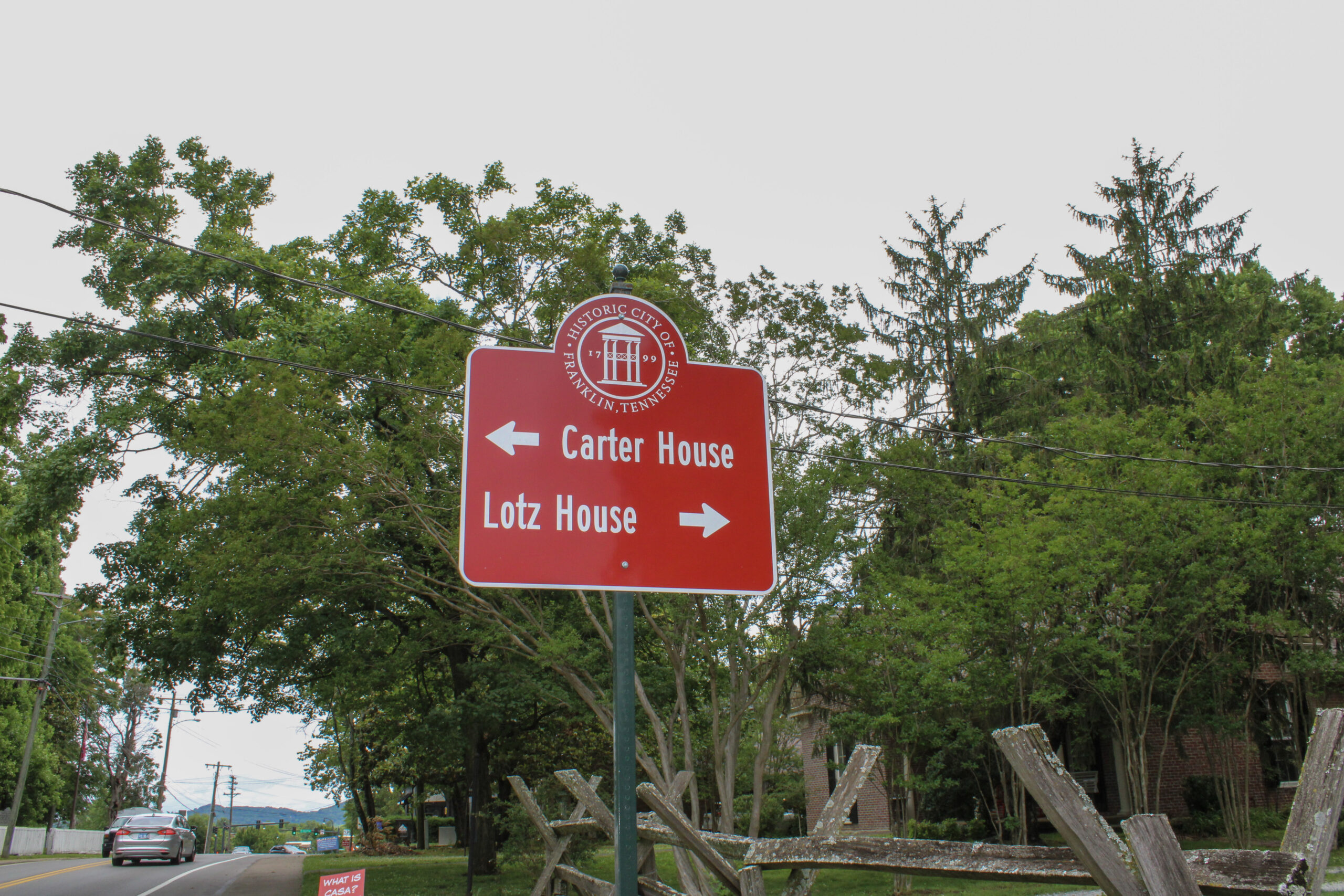
The Lotz family took shelter in the cellar of the nearby Carter House, located just across Columbia Avenue from the Lotz House. When they returned home on December 1, 1864, they found their own house badly damaged. Morreale described the south wall as looking like “Swiss cheese” from the battle damage. Cannonballs had come through the house, the staircase had collapsed, and the house had caught fire.
The family could not remain at the Carter House indefinitely, so they moved into the cellar beneath their own damaged home while Johann Albert Lotz began repairs. According to Morreale, the family sheltered there for about six months. Pieces of compressed straw and mud found beneath the home are believed to be connected to the bedding they used while living in the cellar.
Morreale said part of the challenge in Franklin is helping people understand what happened here despite how much the area has changed. Today, Columbia Avenue is busy with cars, businesses, and modern development. But during the battle, the area around the Lotz House was open land, and the home stood directly in the path of fire.
“You really don’t realize it until you’re here walking the ground,” he said.
For visitors, that detail makes the history personal. The cellar is not just an archaeological space. It was once a place of survival.
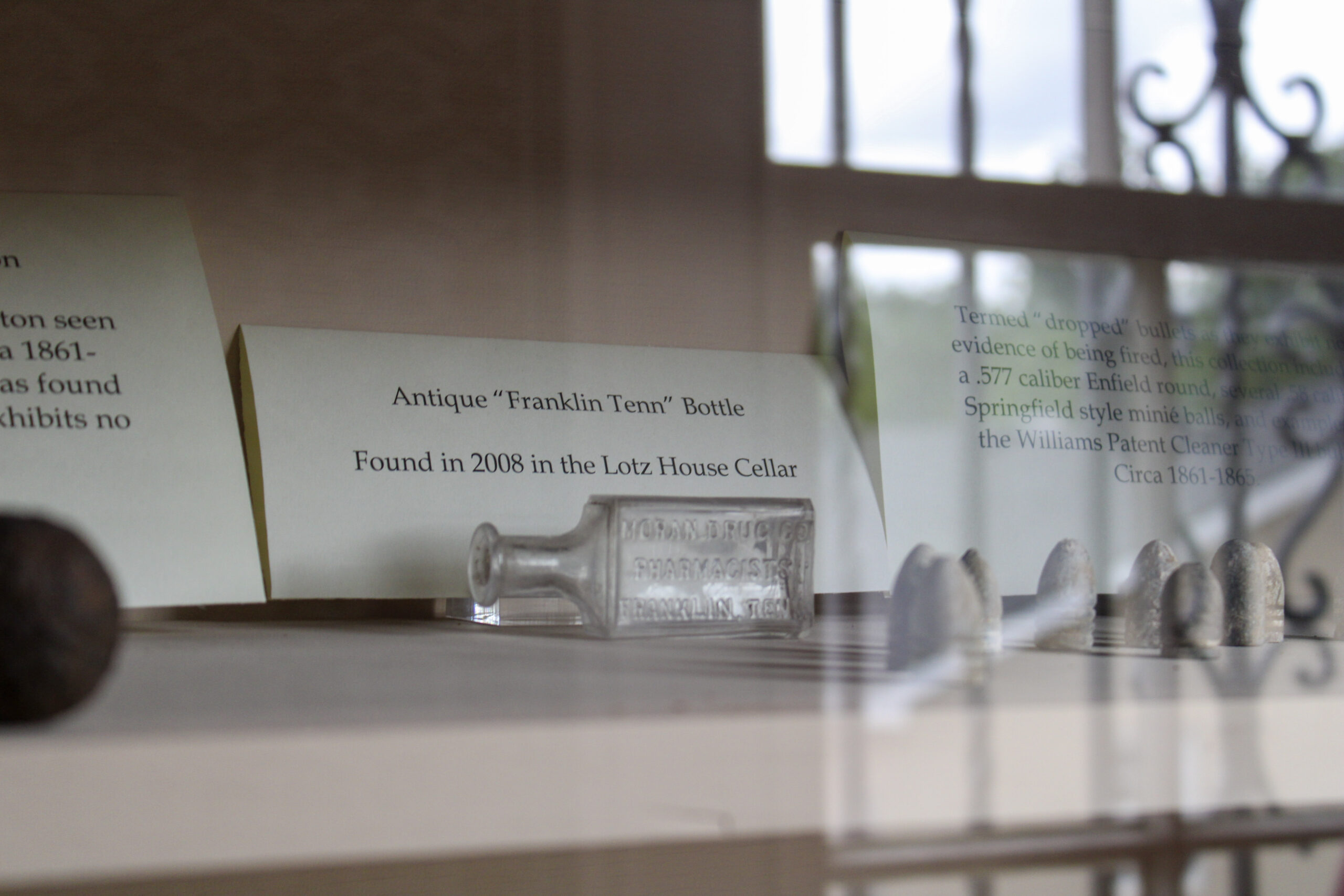
Bottle found in Lotz House cellar
How the Hands on History Cellar Tour Began
The Lotz House Hands on History Cellar Tour began with an accidental discovery. The cellar had only been visited periodically by maintenance personnel until a bottle dating to 1864 was found during one of those visits. That discovery led to further exploration of the cellar and an artifact recovery program designed to help better understand and preserve the history of the site.
Morreale said a more organized exploration of the cellar took place from about 2010 to 2013, when historian John Marler gridded a portion of the space and conducted an archaeological-style survey. The effort uncovered hundreds of Civil War-period relics and other items connected to civilian life in the mid-to-late 1800s.
After Marler’s work, there were sporadic efforts to return to the cellar, Morreale said, but the program eventually became inactive. Morreale was later asked to help bring the Hands on History Cellar Tour back, drawing on his own interest in relic hunting and historical discovery.
“I like to look for things,” he said.
The result is the Hands on History Cellar Tour, a small-group experience that lets guests take part in the artifact recovery process while learning about the Lotz House, the Battle of Franklin, and the family who lived there.
What Guests Do on the Lotz House Cellar Tour
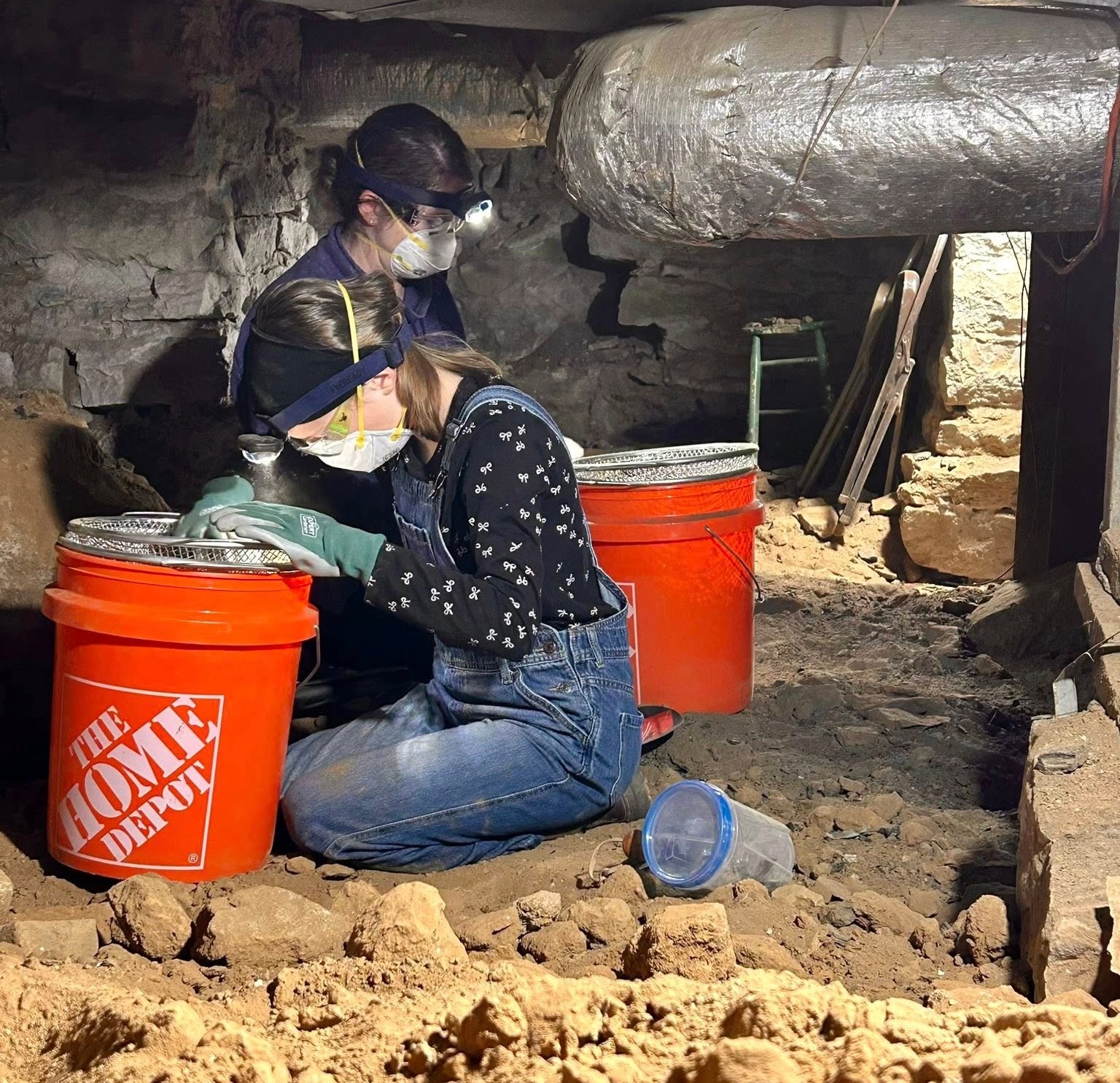
The Hands on History Cellar Tour starts with an orientation on the Lotz House and the Battle of Franklin. After that introduction, guests are taken around to the back of the historic home, where Morreale unlocked the cellar door during our visit. From there, guests step down into the cellar, crouching as they enter and watching for the low ceiling overhead.
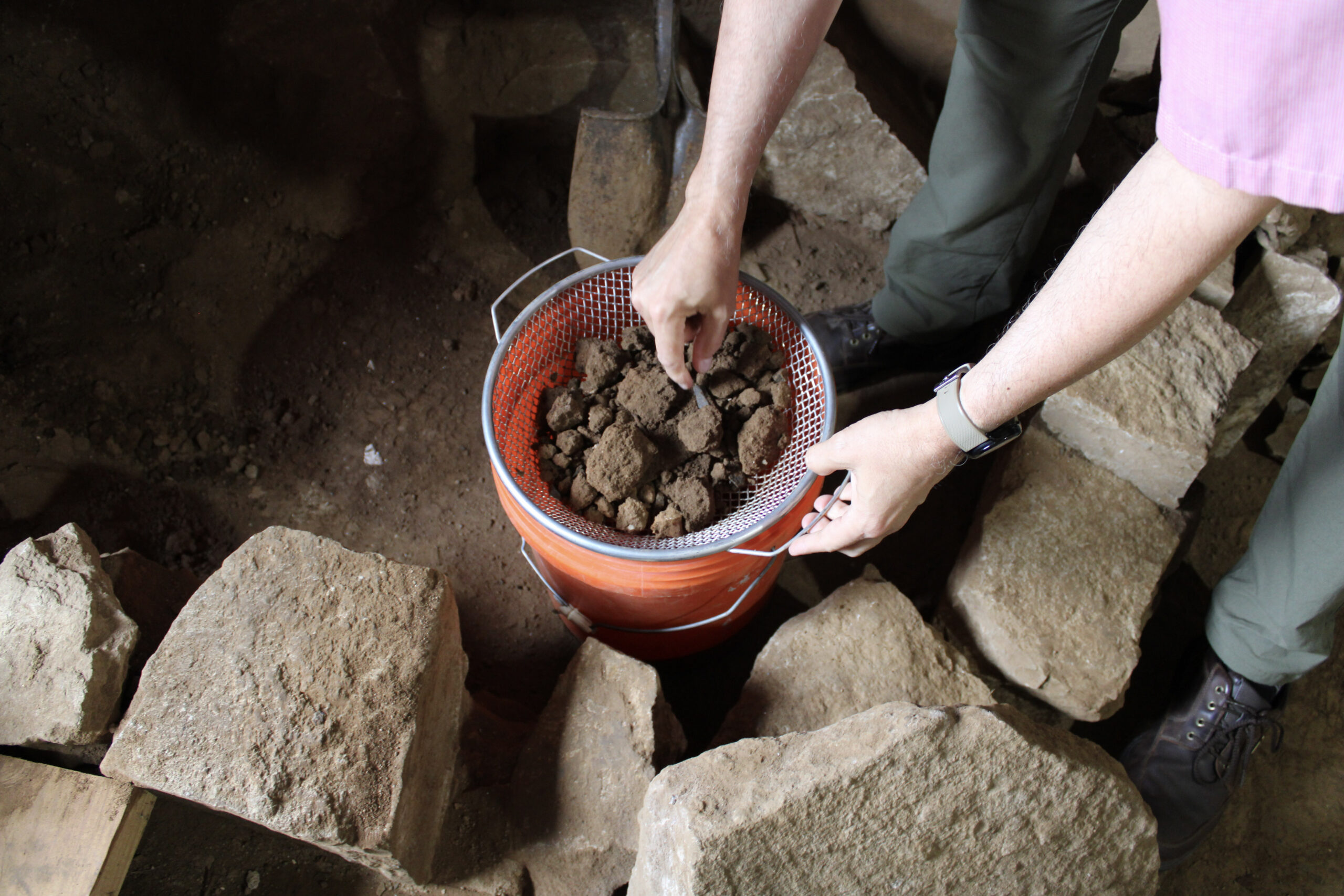
Inside, the floor is largely dirt, and the ceiling is low, with stone supports, stored materials, and areas where guests can search through the soil beneath the house. Participants spend approximately one hour digging and sifting through the cellar’s floor dirt in search of artifacts.
The tour is not a staged treasure hunt.
“It is not a seeded hunt,” Morreale said. “It is not Tony hiding artifacts.”
Instead, visitors search through the actual dirt beneath the historic home. Some days may bring a notable find. Other days may turn up coal, glass, nails, or small fragments that still offer a tangible connection to the past.
“We take folks down there, and we sift for history,” Morreale said.
The tour is limited to five guests, largely because space is tight below the house. Guests may be crouching, sitting, kneeling, or crawling as they search, and fewer people also means less dust in the air.
The experience can appeal to adults, history lovers, and families. Morreale recalled one recent participant, a 10-year-old girl who came with her mother and stayed engaged throughout the tour.
“I think she could have gone on for three hours,” he said.
The Lotz House provides tools and N95 dust masks. Guests should bring their own gloves and wear clothes they do not mind getting dirty. Morreale also recommends bringing a towel or garbage bag for the car afterward, since participants should expect to leave with a layer of dust.
“You will get dirty,” he said.
Artifacts Found Beneath the Lotz House
Over the years, a wide variety of items have been found beneath the Lotz House. Some are clearly connected to the Civil War period, while others reflect later chapters in the home’s history.
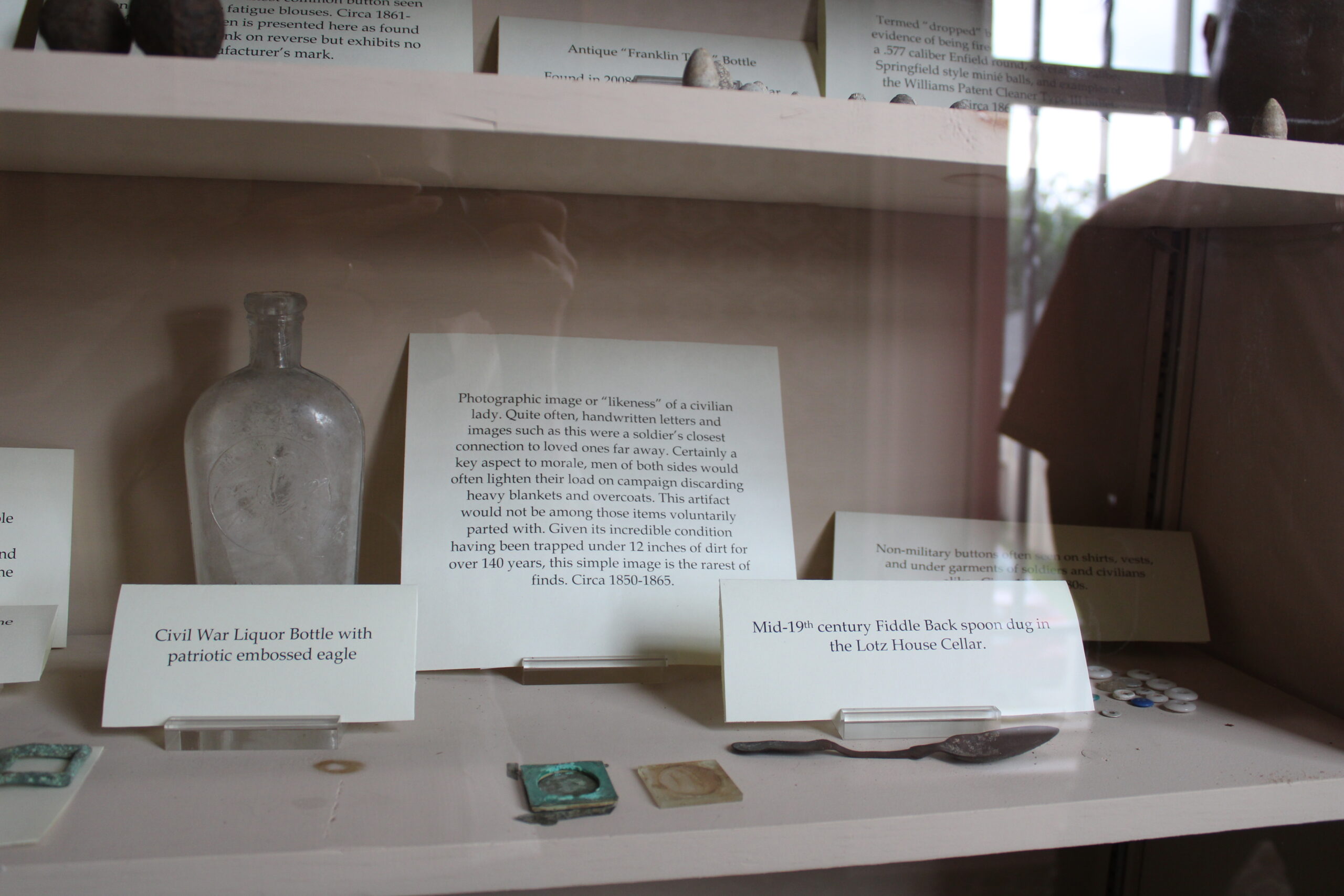
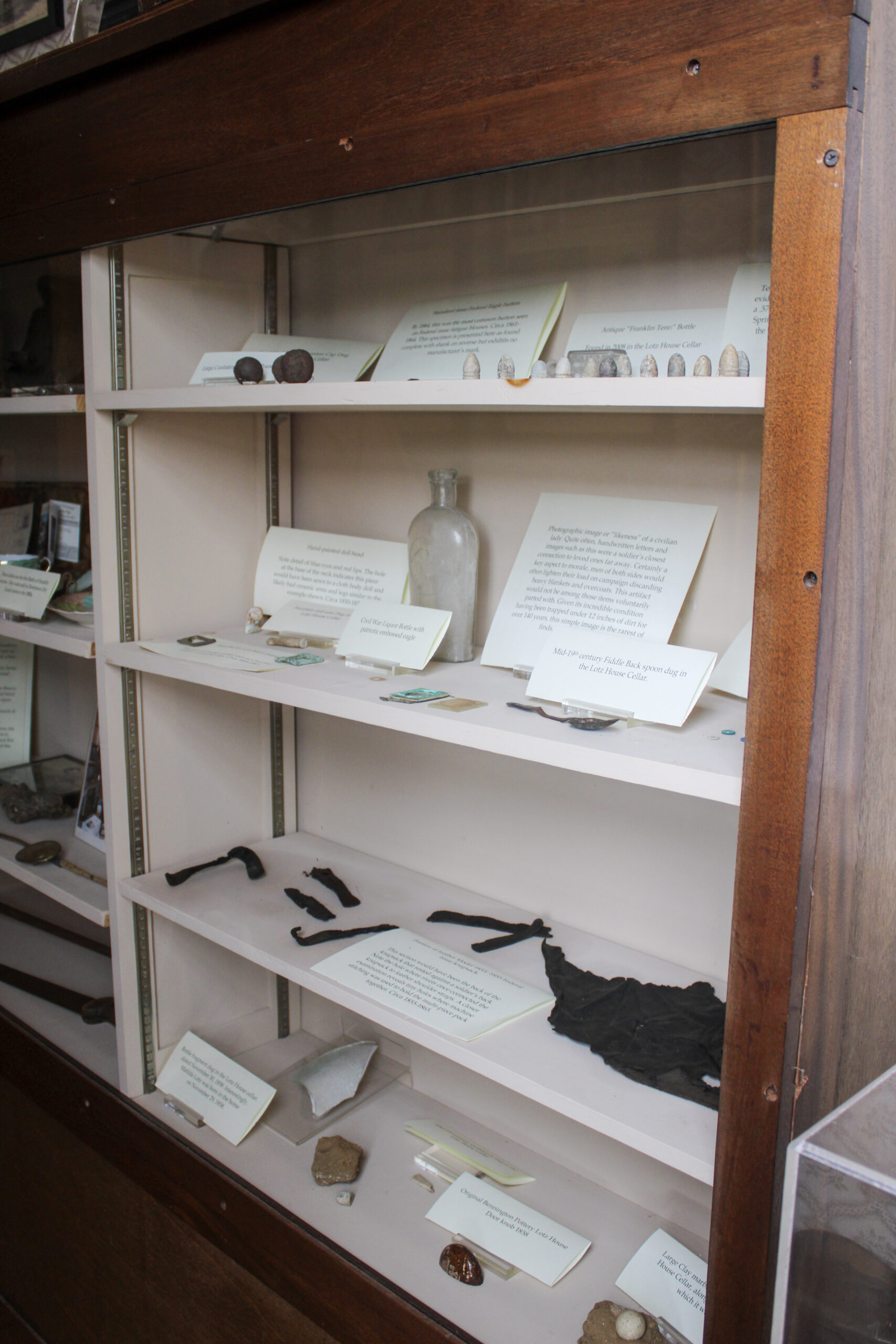
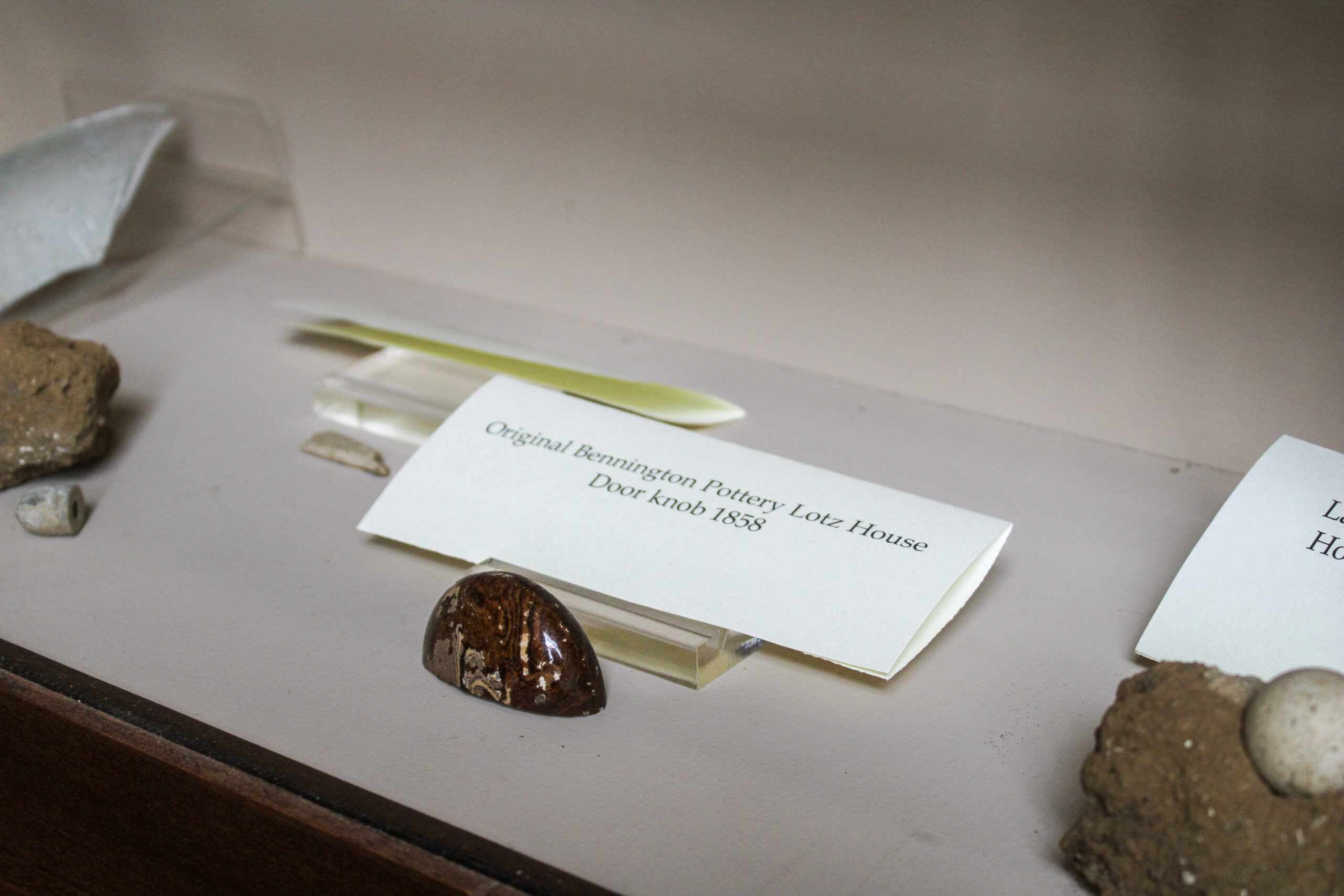
Finds have included Minié balls (a type of hollow-based bullet), a canister round, pieces of a Civil War knapsack, marbles, a shirt button, pottery, glass, porcelain, a doll hand, a doll head, animal bones, a hog tooth, stove pieces, a tin can, coal, and other household fragments.
One of the most compelling discoveries is a tintype photograph found during the earlier excavation work. Morreale said the image appears to show a woman, and its presence beneath the house raises questions about who carried it and how it was lost. To him, the photograph suggests a personal connection, perhaps a treasured possession that slipped from someone’s pocket during a moment of distress.
“Nobody is going to lose that photograph willingly,” he said. “You’re not leaving that saying, ‘I’m going to come back and get that.’”
Morreale also showed pieces of compressed straw matting found beneath the home, a significant discovery because of its connection to the Lotz family’s experience after the battle. The straw and mud had been compressed over time, likely from use as bedding while the family lived in the cellar during the early months of rebuilding.
“That makes it personal,” he said. “They literally slept down here.”
Not every item found on a tour can be taken home. The Lotz House reviews what guests uncover, and items considered historically significant to the home are kept by the museum. However, visitors may be able to leave with smaller pieces such as coal, nails, or other items that are not needed for the collection.
What to Know Before Taking the Hands on History Cellar Tour
The Lotz House Hands on History Cellar Tour is offered at the Lotz House, located at 1111 Columbia Avenue in Franklin. The tour is currently offered on Saturdays only, and the experience is limited to five guests per tour.
Check-in is at 2:45 pm, and the tour begins at 3 pm. Tickets are $40 for adults and $20 for children 12 and under. Reservations are required and can be made by calling the Lotz House at 615-790-7190.
The full experience lasts about two hours from check-in to finish, including orientation and approximately one hour in the cellar. Participants should be comfortable with enclosed spaces and should expect dust. While Morreale said chairs can sometimes be set up when needed, the tour is best suited for those with enough mobility to navigate the cellar environment. Those with asthma or dust sensitivity may want to consider whether the tour is the right fit.
The Lotz House also offers other specialty tours, including the Ghost Tour, Women’s History Tour, Walking Battlefield Tour, and Sundays with Chuck.
Each tour may also vary slightly depending on the group. Morreale said guides adjust the details based on the audience, whether guests are serious Civil War enthusiasts looking for deeper battlefield interpretation or families who need the story told in a different way.
Why Franklin’s Civil War History Still Matters
For Morreale, the Lotz House is not only about artifacts or architecture. It is about memory. He wants visitors, especially younger guests, to leave with a sense of history and an understanding that the people who lived through the Battle of Franklin were real families, civilians, soldiers, parents, and children.
That approach leaves room for both the remarkable parts of the story and the painful ones.
“History can sometimes be ugly,” he said. “And sometimes history can be not pleasant. But it’s history.”
At the Lotz House, that understanding can come through a piece of straw bedding, a child’s toy, a photograph, or a small object pulled from the dirt.
The Hands on History Cellar Tour gives visitors a rare chance to participate in that discovery. It invites them to look closely and consider the lives that passed through the house before Franklin became the city it is today.
As Morreale put it, the search is not finished.
“You never stop finding,” he said. “You never stop searching.”