Inside the Iroquois Steeplechase: History, Traditions, and Behind-the-Scenes Details of Nashville’s Rite of Spring
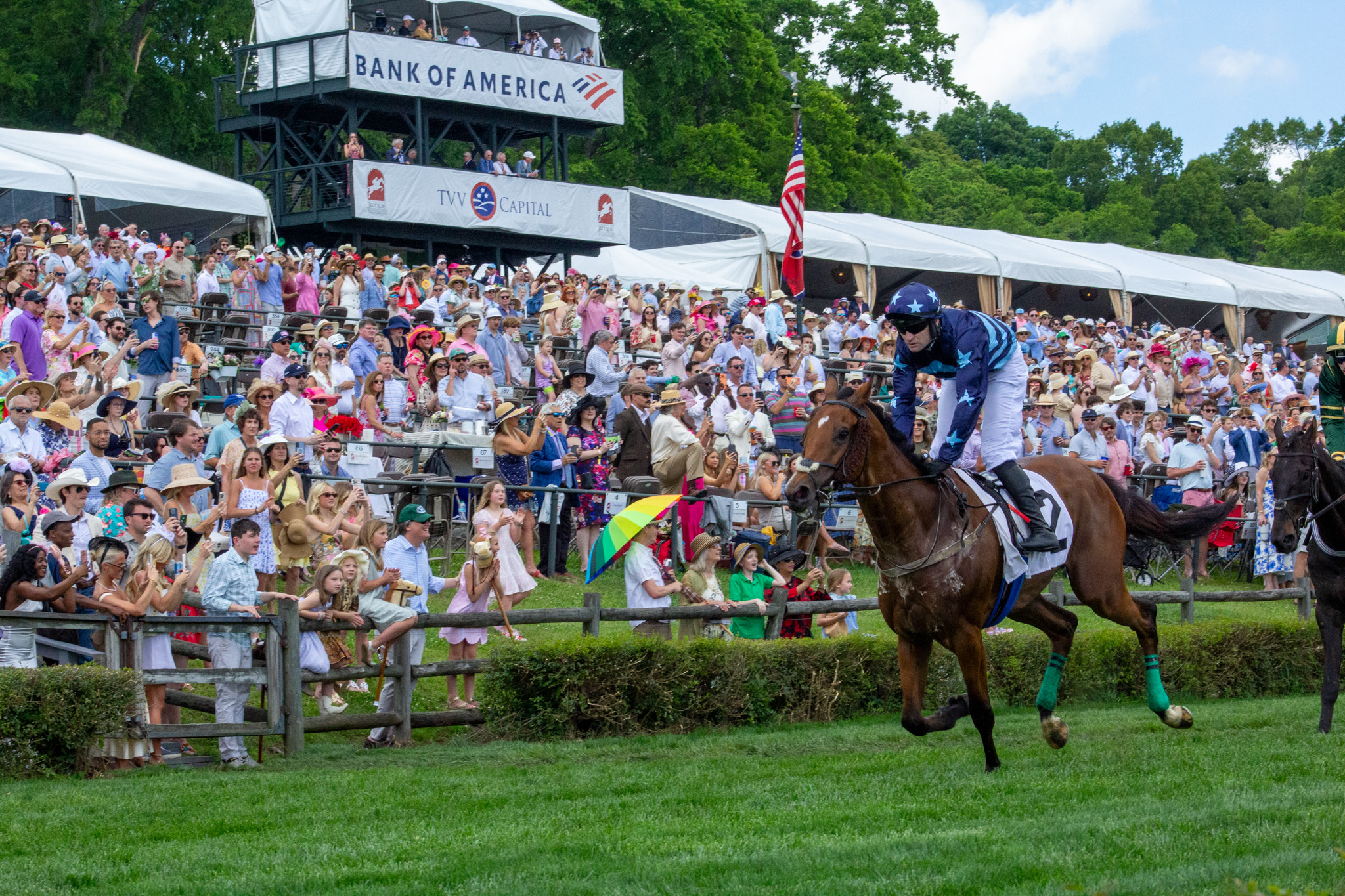
The hats, tailgates, and race-day traditions are what many people think of when they think of the Iroquois Steeplechase. Thousands arrive at Percy Warner Park dressed for one of Nashville’s biggest annual social events, gathering around the racecourse for an afternoon that blends horse racing, live music, fashion, and longtime traditions. But before the crowds arrive each May, an entirely different side of the Steeplechase begins to take shape behind the scenes.
Horse trailers pull into the grounds days before the races. Stables fill with thoroughbreds traveling from across the racing circuit. Volunteers and race officials coordinate vendors, hospitality tents, transportation, veterinary teams, and track preparations.
Now celebrating its 85th year, the Iroquois Steeplechase continues to evolve while holding onto traditions that date back generations. During a media preview event held on Thursday, May 7th, organizers, owners, trainers, and performers shared a behind-the-scenes look at what goes into race weekend before the races officially took place on Saturday, May 9th.
The History of the Iroquois Steeplechase in Nashville
While the Iroquois Steeplechase has become one of Nashville’s signature social events, many attendees may not realize how deeply horse racing is tied to Tennessee history.
Long before the first Iroquois Steeplechase was held at Percy Warner Park, Nashville was home to several active racetracks, including tracks near present-day Centennial Park and MetroCenter. However, changes in state law during the 1900s helped shift much of the industry to Kentucky.
During the media preview event, Marianne Byrd, Iroquois Steeplechase President, shared stories about Middle Tennessee’s racing history and the origins of the Steeplechase itself. Byrd’s family has been involved with the event since its earliest years, giving her perspective on both the history of the race and the traditions that continue today.
“It’s also the love of my life,” Byrd said. “My family’s been involved since the very beginning.”
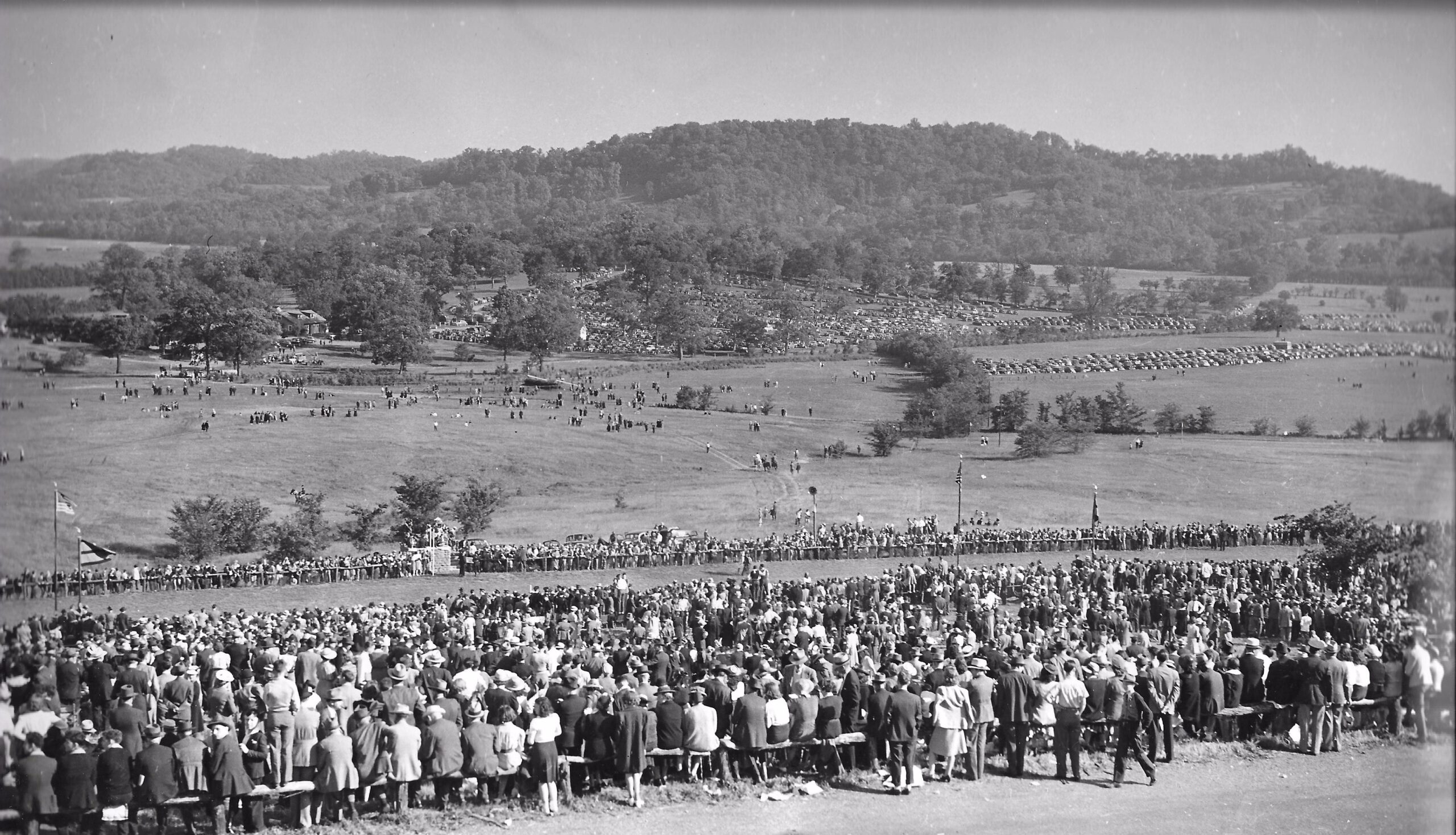
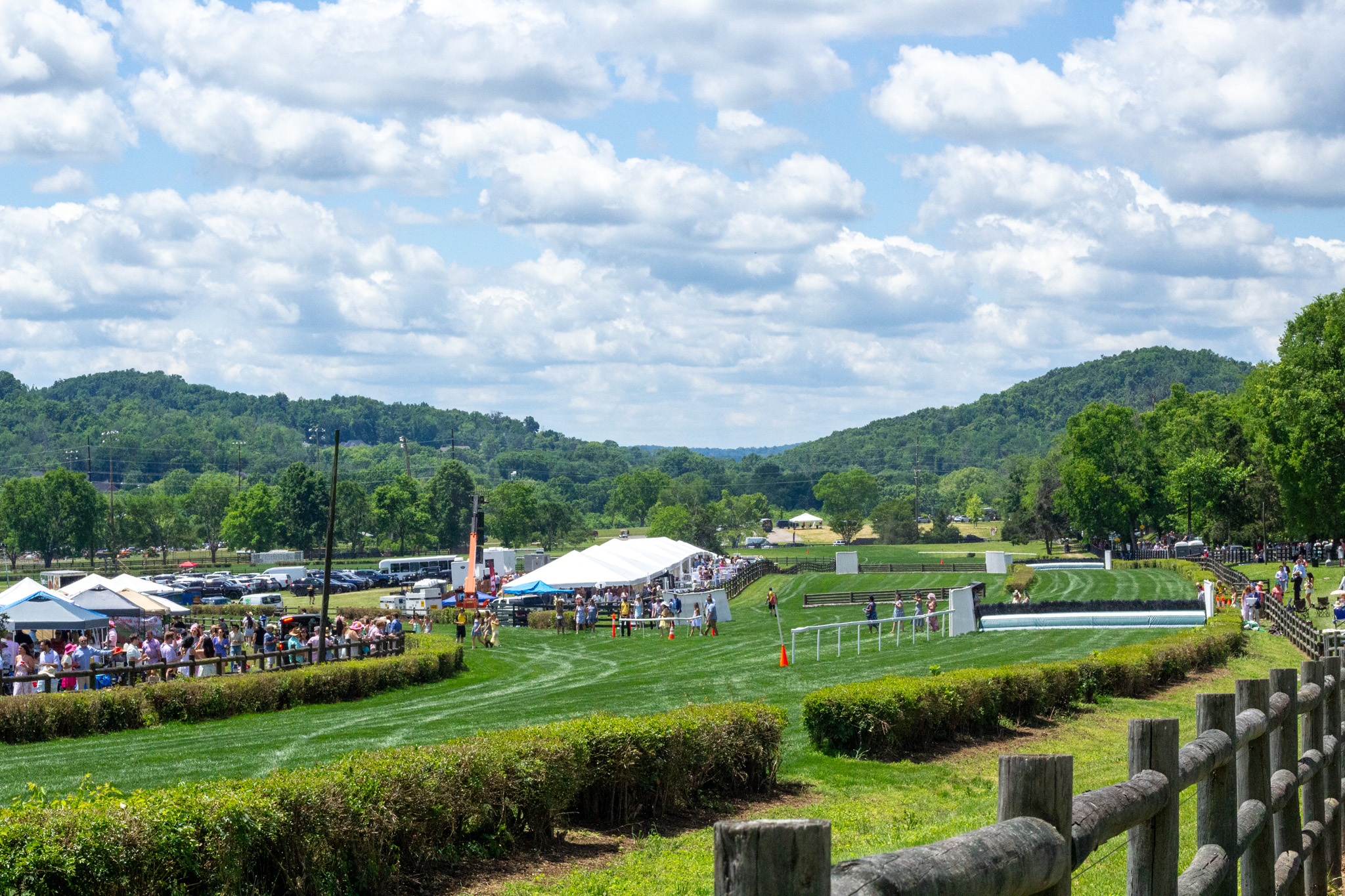
The Iroquois Steeplechase grew out of efforts during the 1930s to create a permanent steeplechase course in Nashville. Marcellus “Pops” Frost helped identify the valley within Percy Warner Park that would eventually become the racecourse because of its natural hills, terrain changes, and spectator views. Construction on the course began in 1938 with support from the Works Progress Administration and was completed in time for the inaugural race.
The Iroquois Steeplechase officially began in 1941, when Nashville horsemen, fox hunting enthusiasts, and members of the local pasture race circuit organized the first race at Percy Warner Park. The inaugural running of the race was won by Rockmayne, ridden by Dinwiddie Lampton and campaigned by Miss Barbara Bullitt.
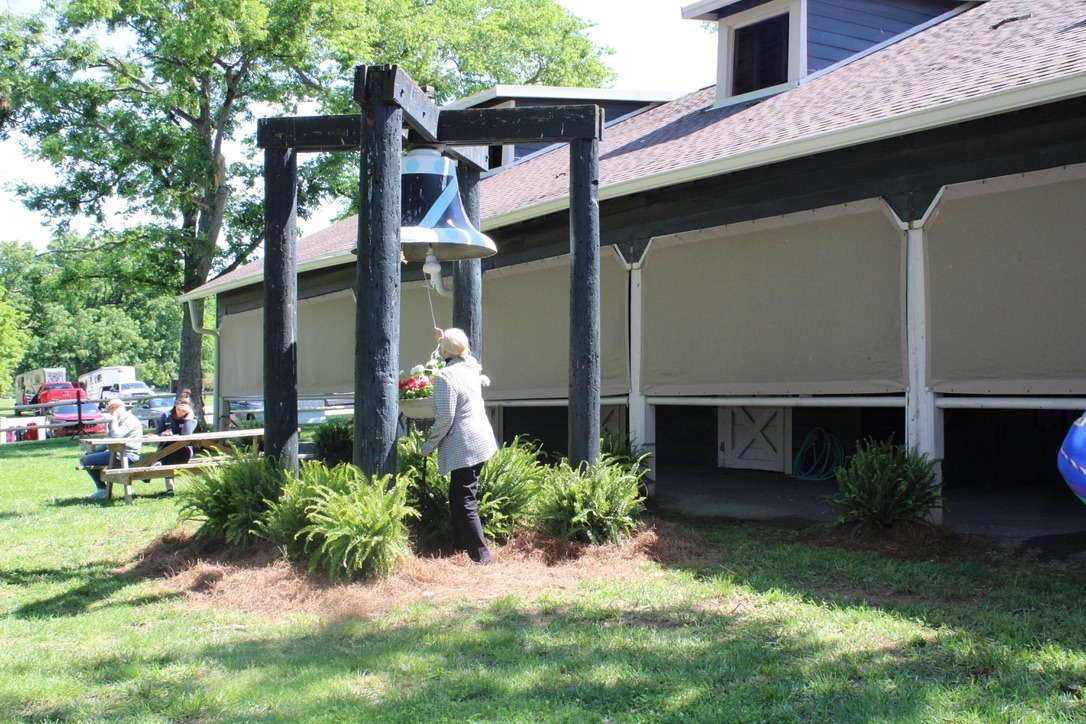
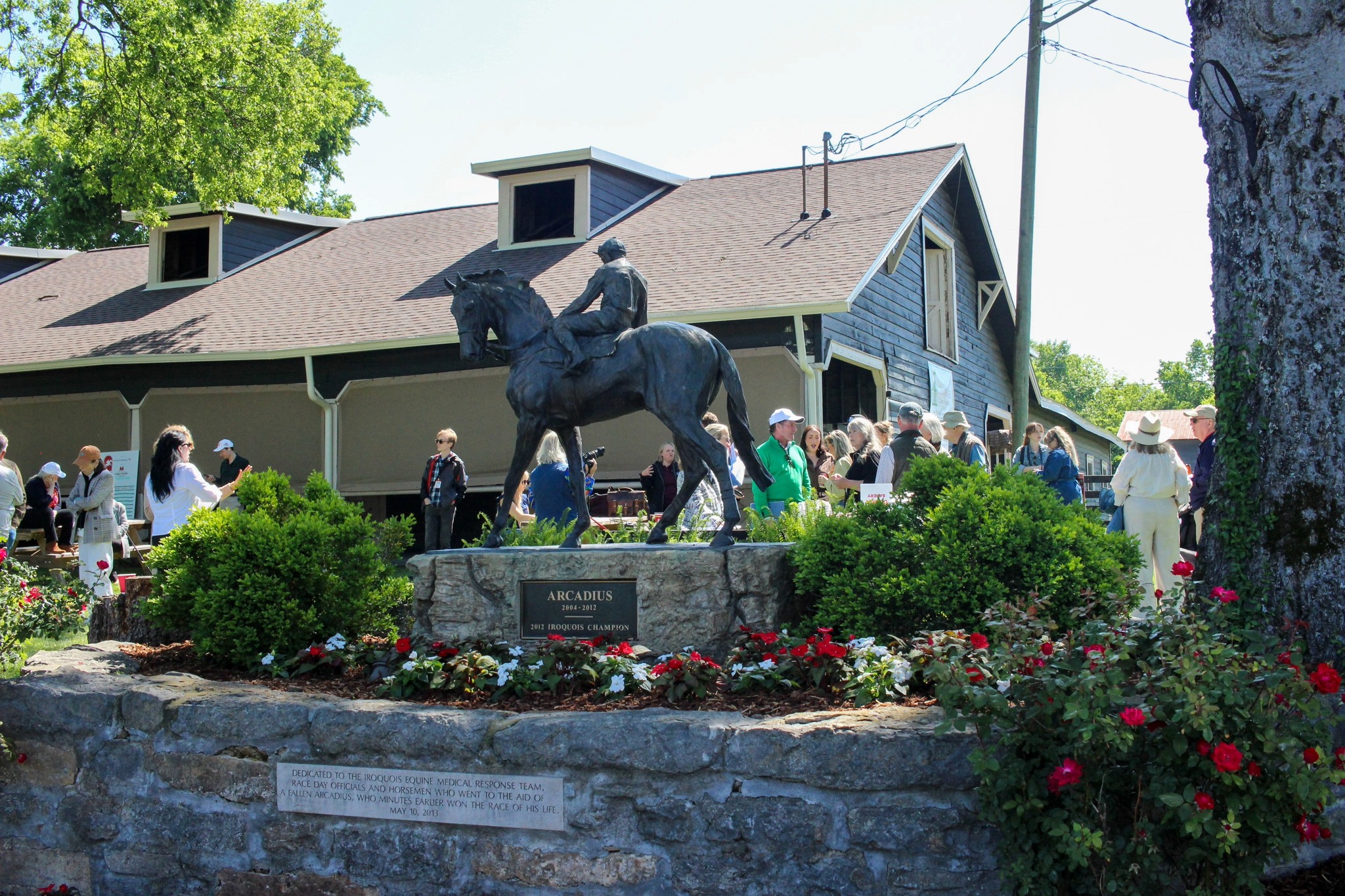
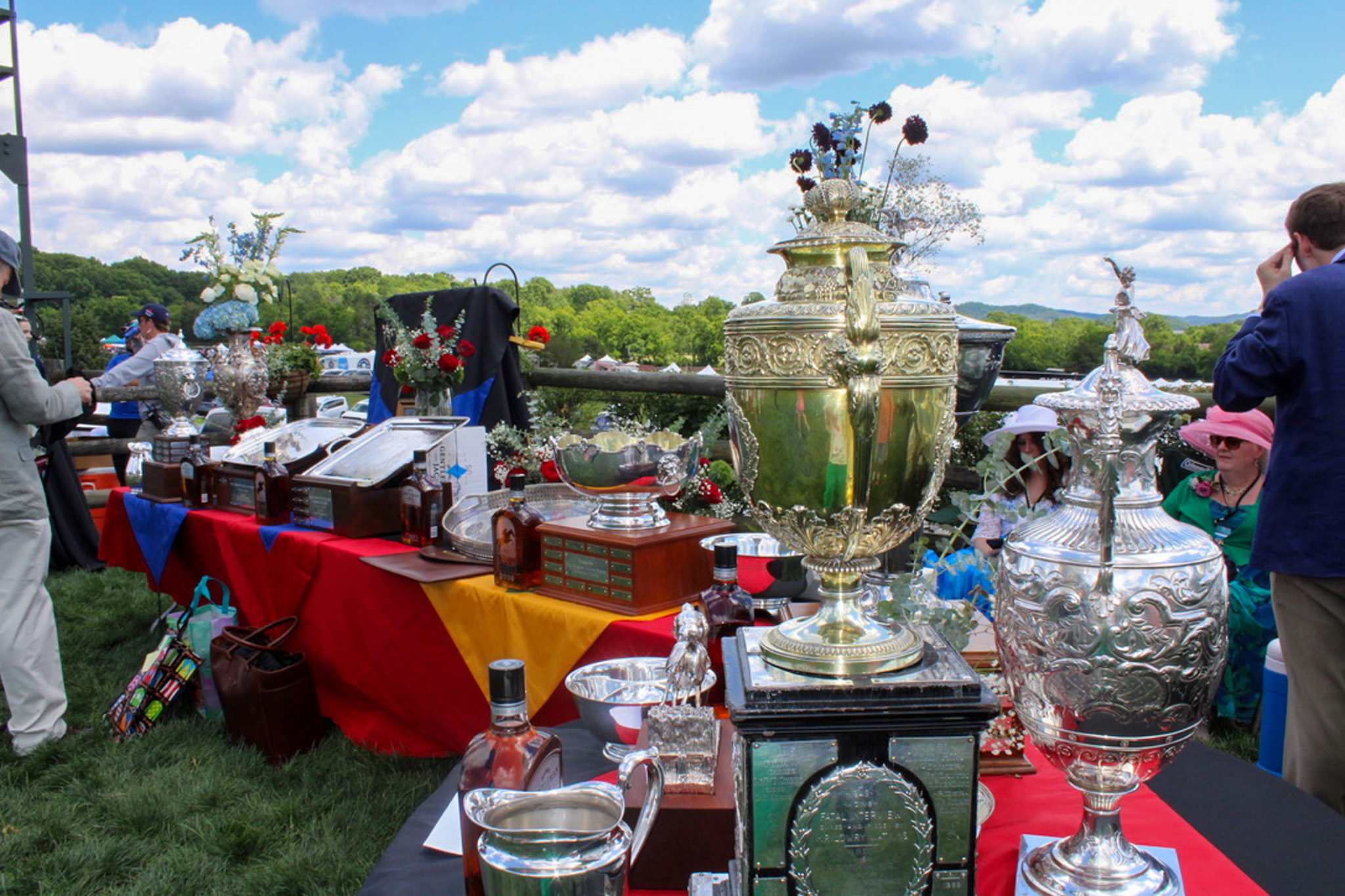
The volunteers who helped organize the early races created the Volunteer State Horsemen’s Association, now known as the Volunteer State Horsemen’s Foundation. Early race leadership included John Sloan Sr., who chose the name “Iroquois” for the event in honor of Pierre Lorillard’s famed thoroughbred, the first American-bred horse to win England’s Epsom Derby in 1881. After his racing career, Iroquois stood at Belle Meade Farm near Nashville, one of the South’s most important historic breeding operations. That connection is still recognized on race day, when the historic Belle Meade Farm bell is rung to officially begin the event and call horses to the post.
Today, the Iroquois Steeplechase remains one of the South’s best-known steeplechase events and one of Tennessee’s most visible links to the state’s horse racing history, attracting tens of thousands of spectators annually to Percy Warner Park.
Preparing for the Iroquois Steeplechase
In the days leading up to race weekend, Percy Warner Park slowly transforms from a public park into a race venue. Trainers, veterinarians, grounds crews, vendors, and volunteers begin arriving well before the first spectators, preparing for an event that takes nearly a year to organize and only a weekend to experience.
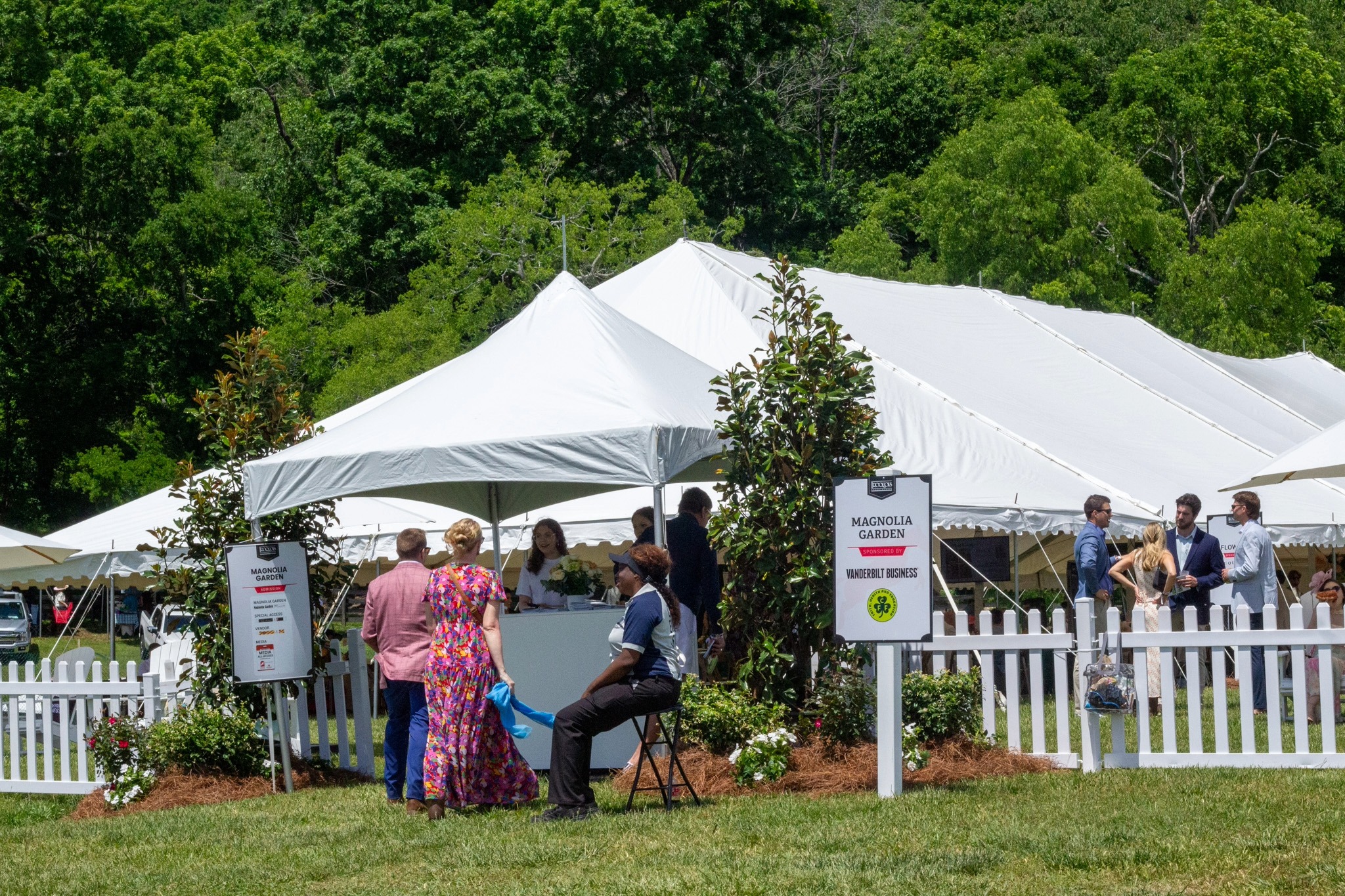
By Thursday morning, before race day, the grounds already looked transformed. Tents lined the hillsides, horse trailers moved in and out of the stable area, crews worked throughout the property, and vendors prepared for thousands of guests expected to attend Saturday’s races.
The media preview event included the ceremonial ringing of the historic Belle Meade Farm bell, a longtime Steeplechase tradition led by Marianne Byrd. One bell signals the beginning of race day, while another is later rung to call horses to the post, continuing a tradition tied to Nashville’s early horse racing history.
Patrick Lewis, horse owner and member of the race committee, said seeing the setup come together in just a matter of days is impressive even for longtime participants.
“I was here on Sunday, and nothing was here,” Lewis said during the media event. “And here we are on Thursday, and it looks like a little city.”
Lewis grew up attending the Steeplechase and now owns horses that race across the country. This year, one of Lewis’s horses, Swore, competed in the Grade 1 Calvin Houghland Iroquois during Saturday’s races.
For more on the horses, races, and results, read Remarkable Horses Lead the Way at the 85th Iroquois Steeplechase.
While Lewis joked that he gets “the great job of championing the event without having to do a ton of hands-on work,” he credited the staff and volunteers responsible for preparing the grounds.
“There’s a lot of prep that goes into it,” Lewis said. “There are a lot of people who spend a lot of money to come enjoy the perfect day, and they want to be set up well for it.”
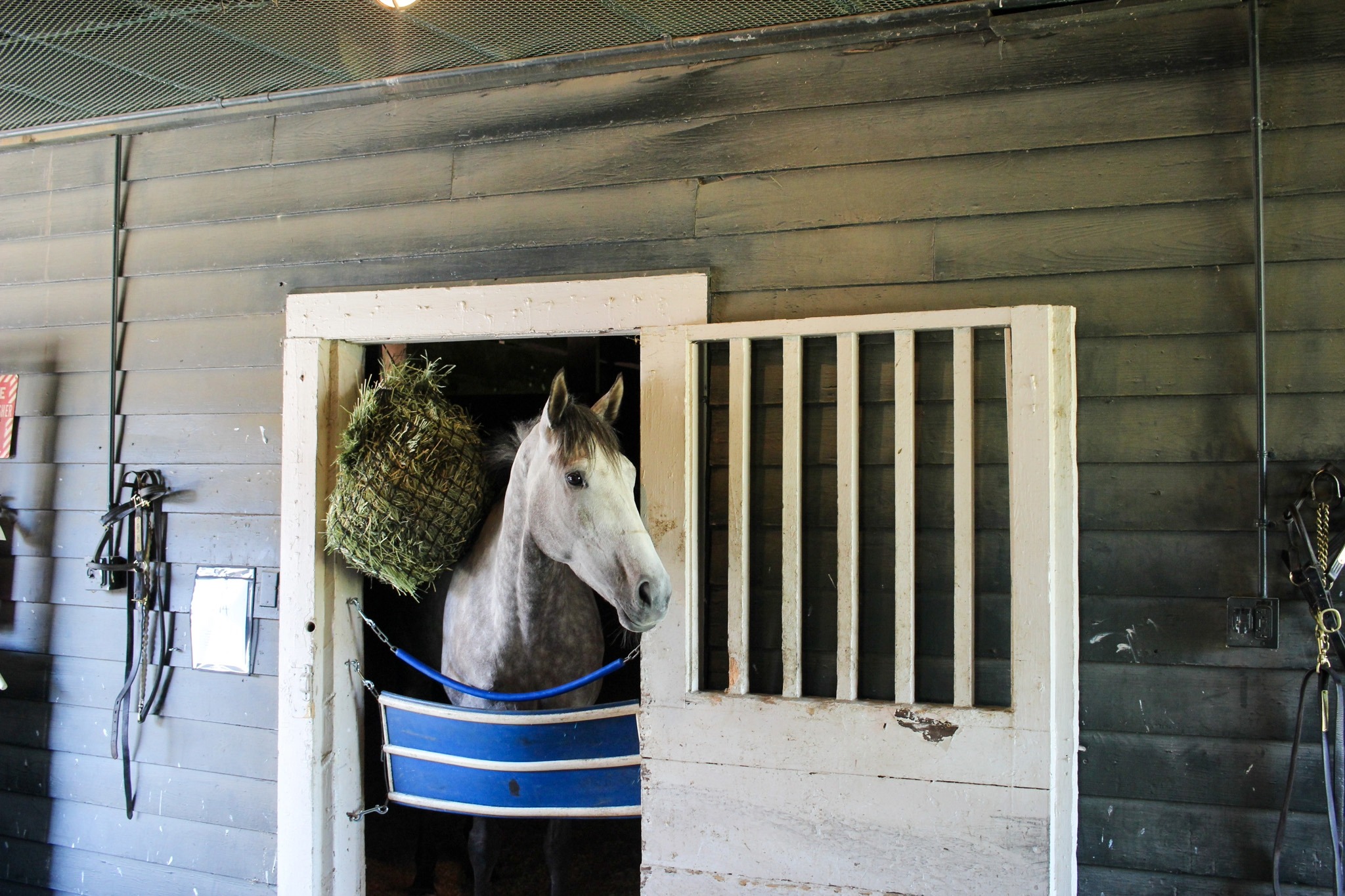
That preparation includes far more than tents and hospitality spaces. Horses begin arriving at Percy Warner Park several days before the races, often after long trips from across the racing circuit. Stables quickly fill with horses, tack, and feed while support crews work throughout the barns caring for the animals during race weekend.
Melanie Bowman, an exercise rider and groom from Pennsylvania, said race preparation starts long before the horses ever arrive in Nashville.
“Getting the horses in shape and fit, ready to travel,” Bowman explained. “Making sure we have all of our equipment packed up. Hay, grain, tack, water buckets. There’s a lot that goes into it.”
What Makes the Percy Warner Park Course Special
For many owners, trainers, and riders, Percy Warner Park is considered one of the premier steeplechase venues in the country.
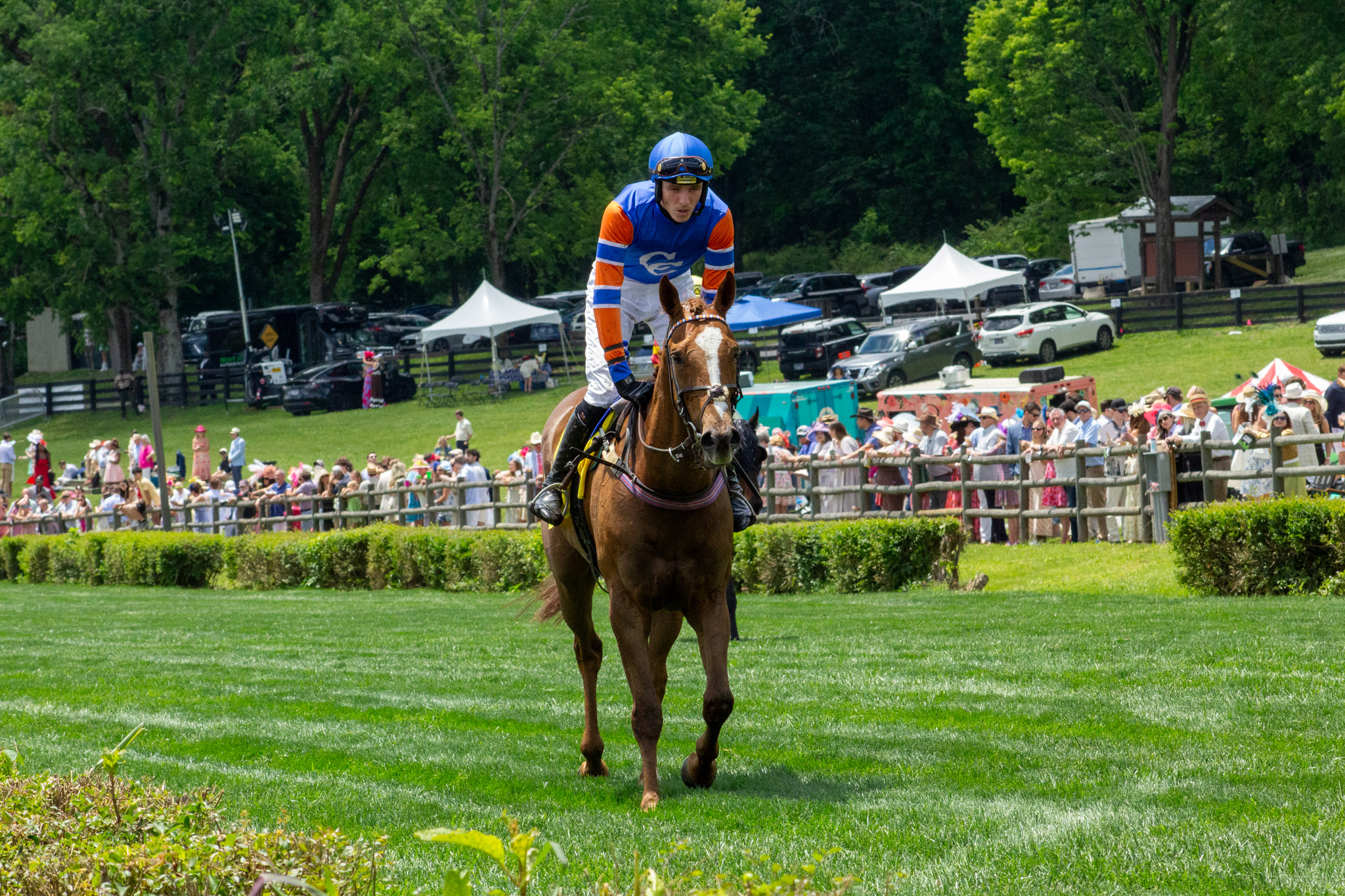
Lewis said the landscape plays a major role in what makes the course so respected. “It’s a natural amphitheater,” he said. “The way the terrain is set up, it seems perfect for racing.”
That layout also gives many spectators a strong view of the action. From the box seats, Lewis said, guests can see much of the course as the horses move through the rolling terrain.
He also pointed to the quality of the turf and drainage system, which helps keep the course in strong condition even after heavy rain.
“We have the best drainage of probably any of the courses,” Lewis said. “The way they’ve set it up and invested in the turf is incredible.”
That reputation requires constant work. Many visitors assume Metro Parks maintains the racecourse, but Byrd explained that the Steeplechase organization is responsible for maintaining the turf throughout the year.
For Byrd, that investment is central to the event’s reputation. Maintaining the course costs close to $1 million annually, a year-round commitment, she said, many racecourses do not have.
“What makes us really special is the quality of our track,” Byrd said. “We maintain the course 12 months a year. Not every course has that luxury.”
The course is mowed, seeded, repaired, and monitored year-round in preparation for a single weekend of racing.
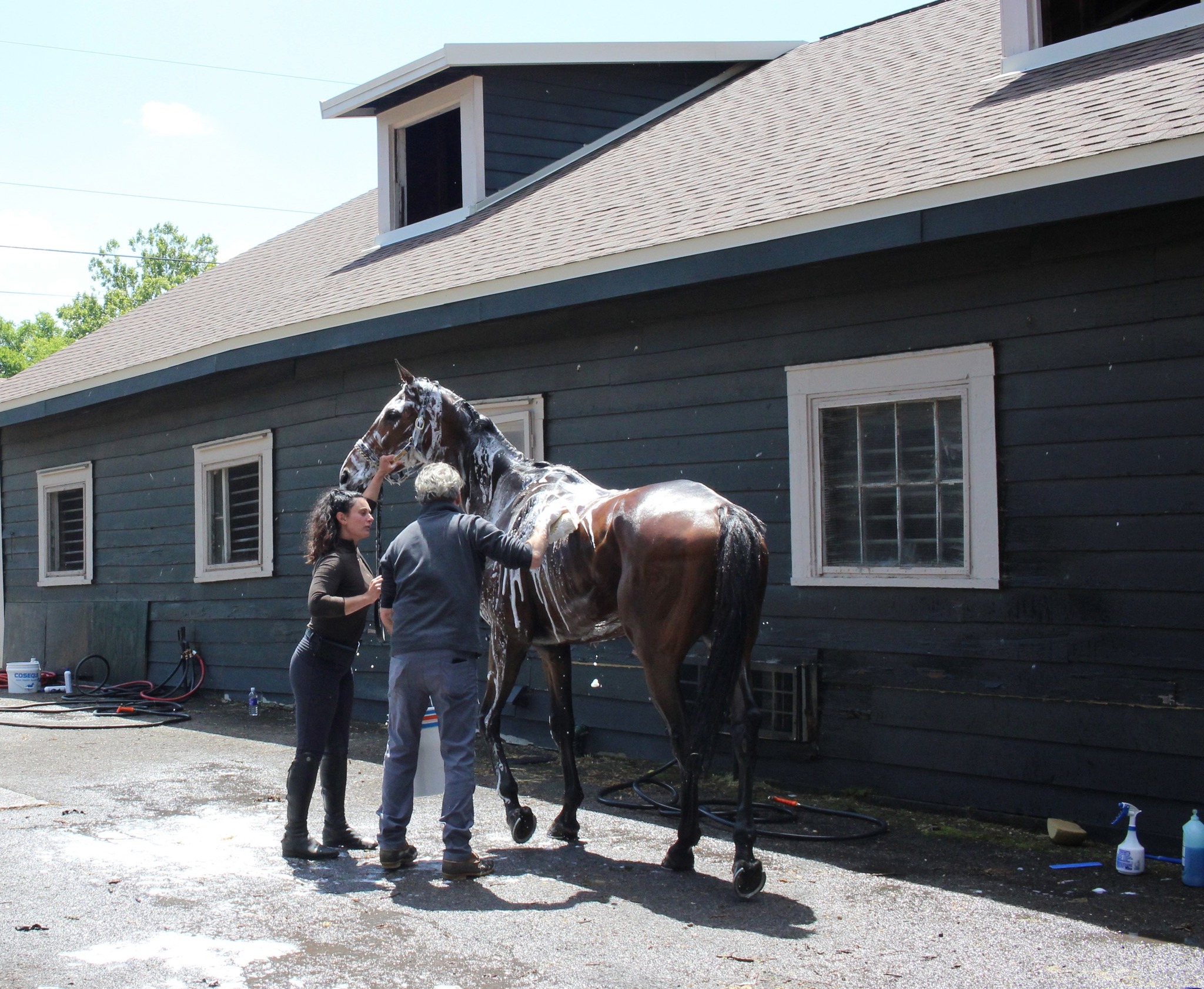
The race-day care extends beyond the turf itself. Veterinary teams are stationed throughout the course to monitor horses before and after races. Byrd said the event has a team of about eight veterinarians who donate their time, along with a large group of volunteers helping cool horses after they leave the track.
Race Day at Percy Warner Park
By Saturday morning, the quiet preparation of media day had transformed into the full race-day atmosphere the Iroquois Steeplechase is known for.
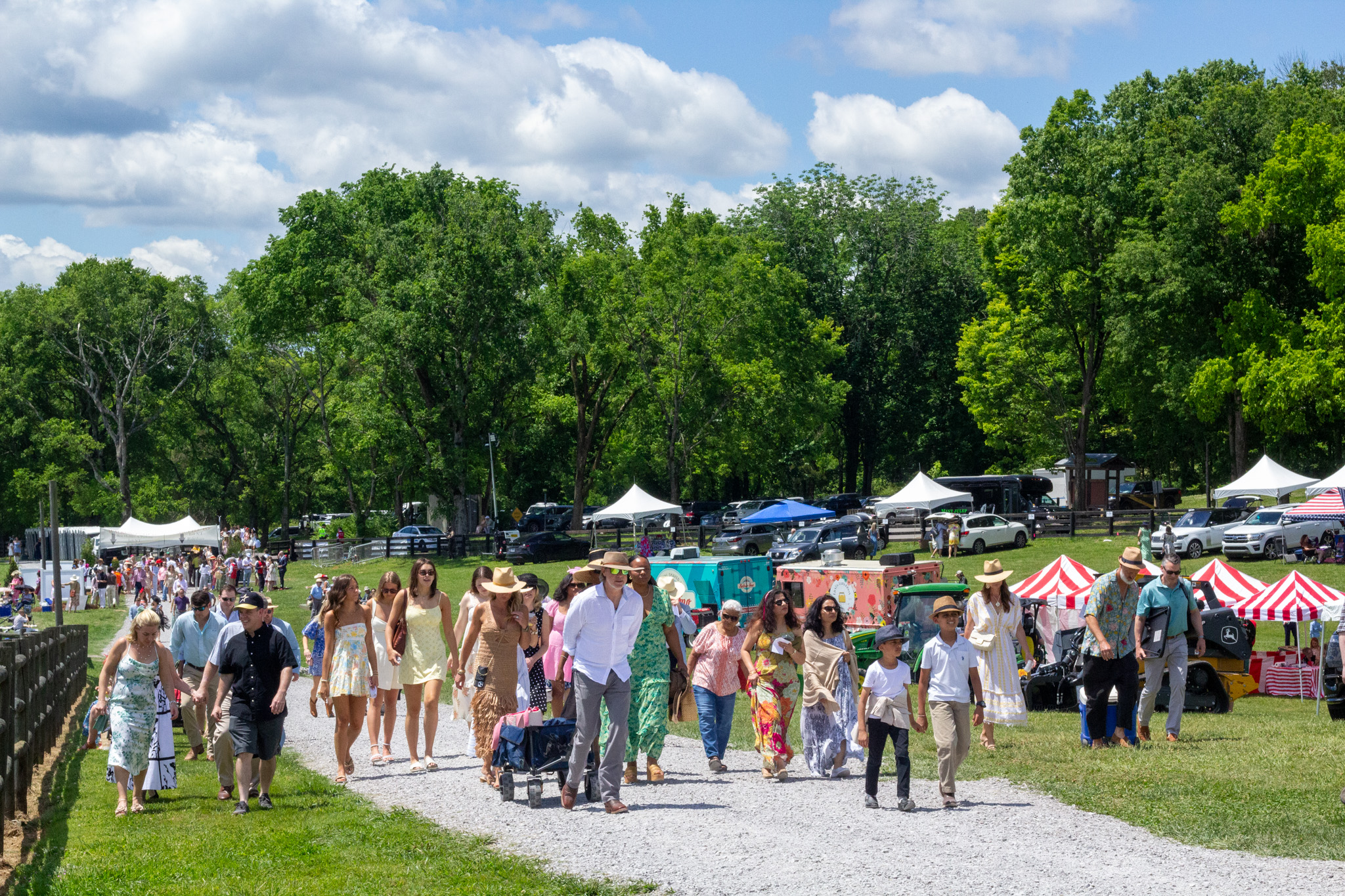
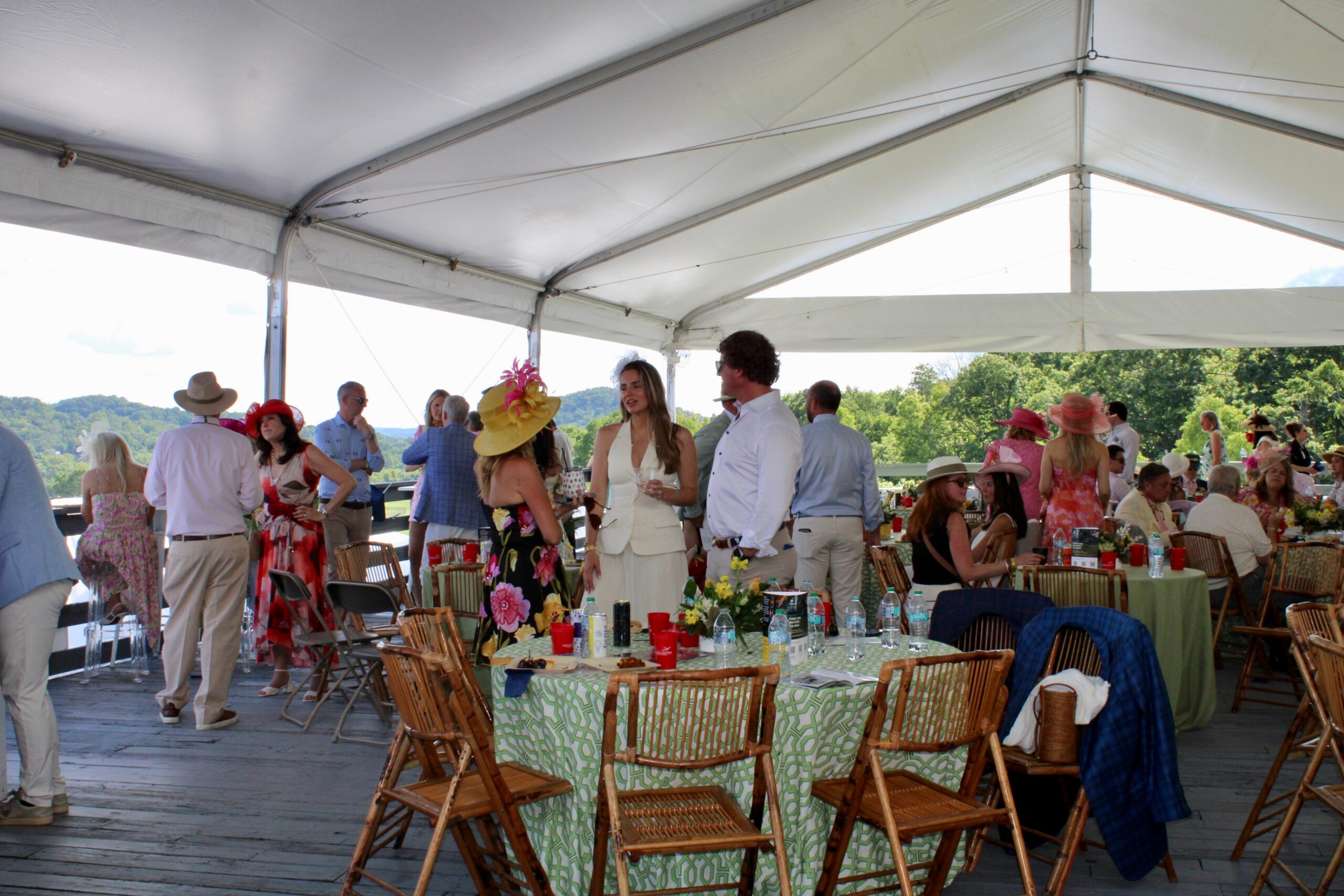
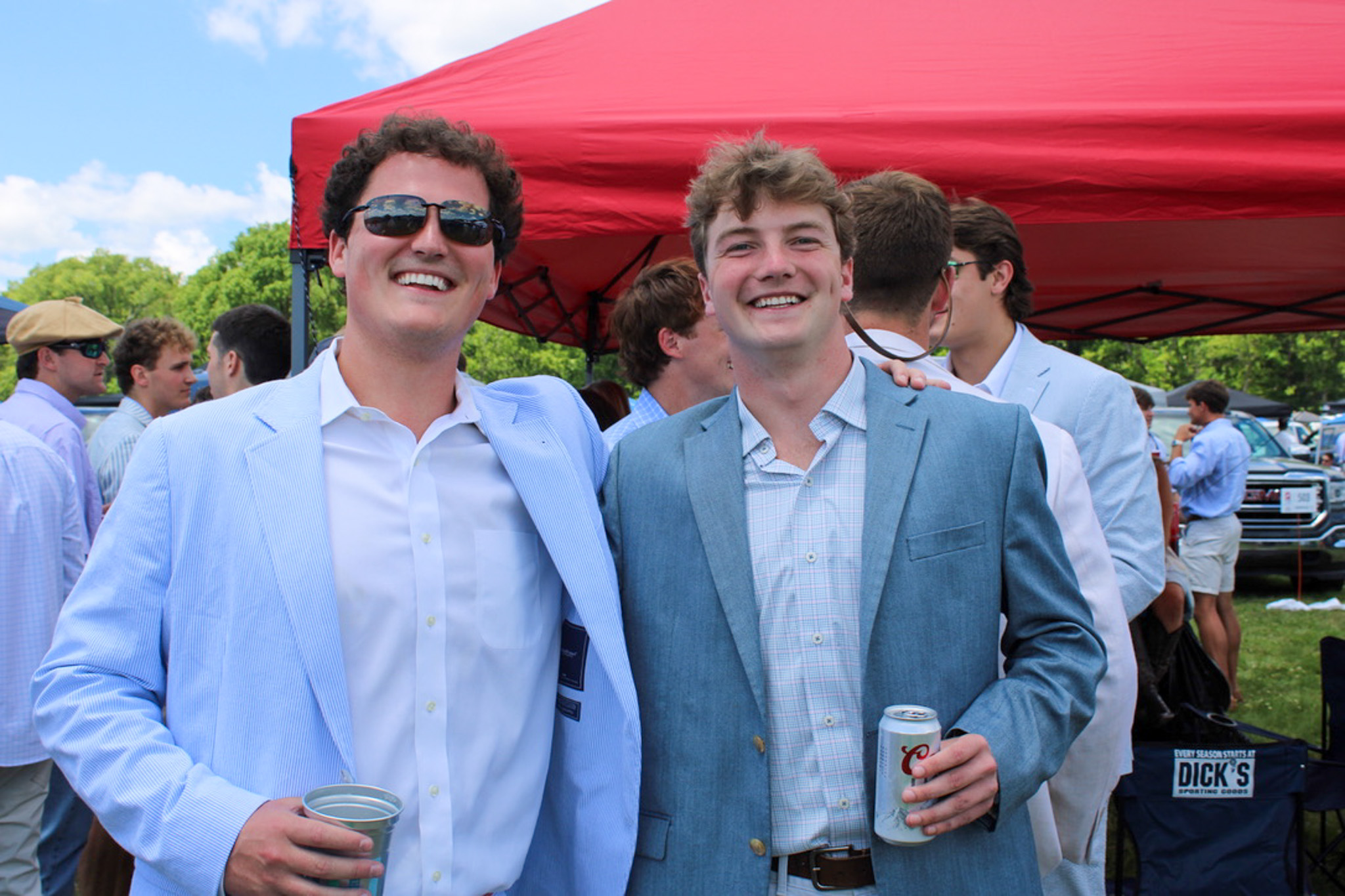
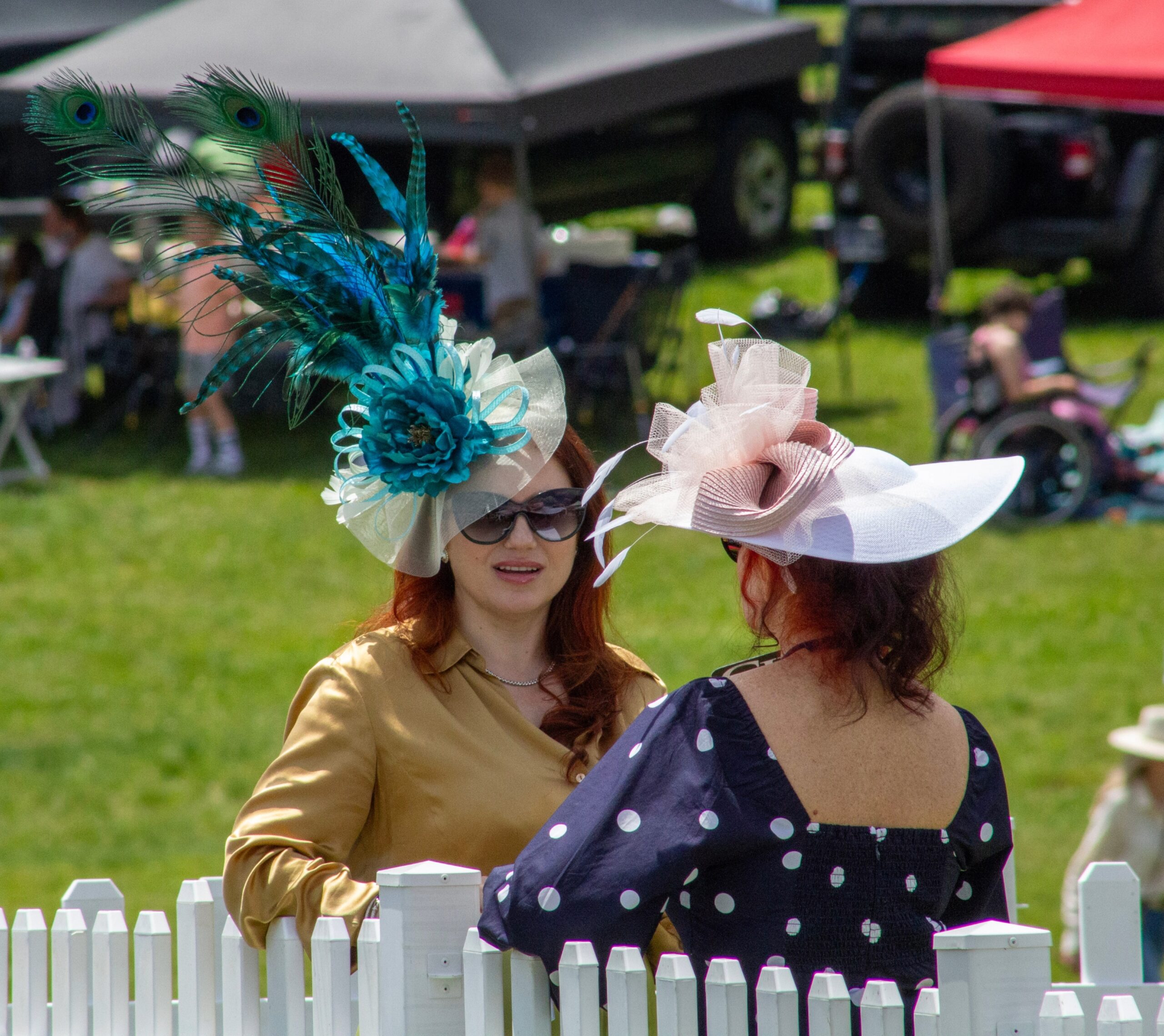
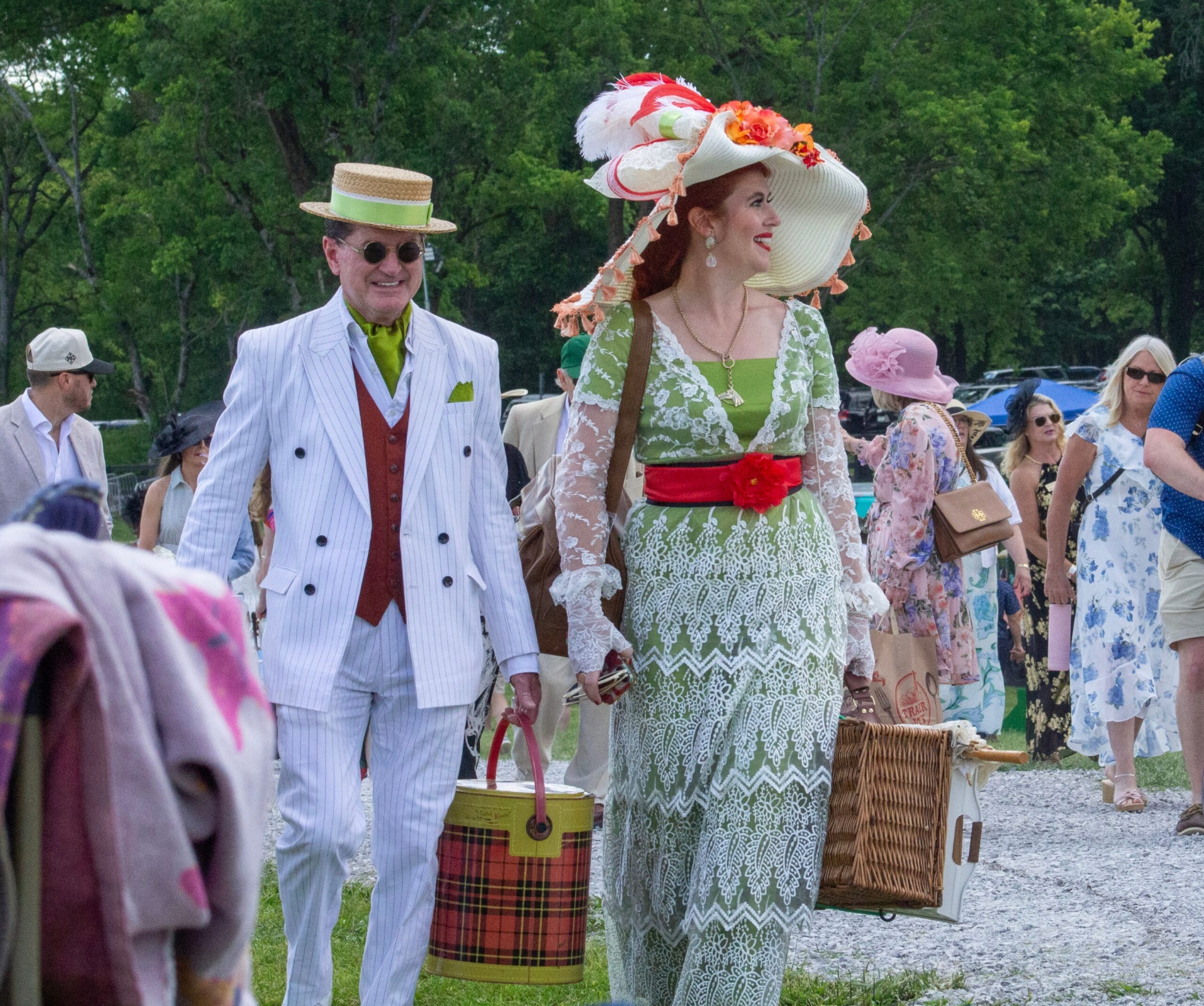
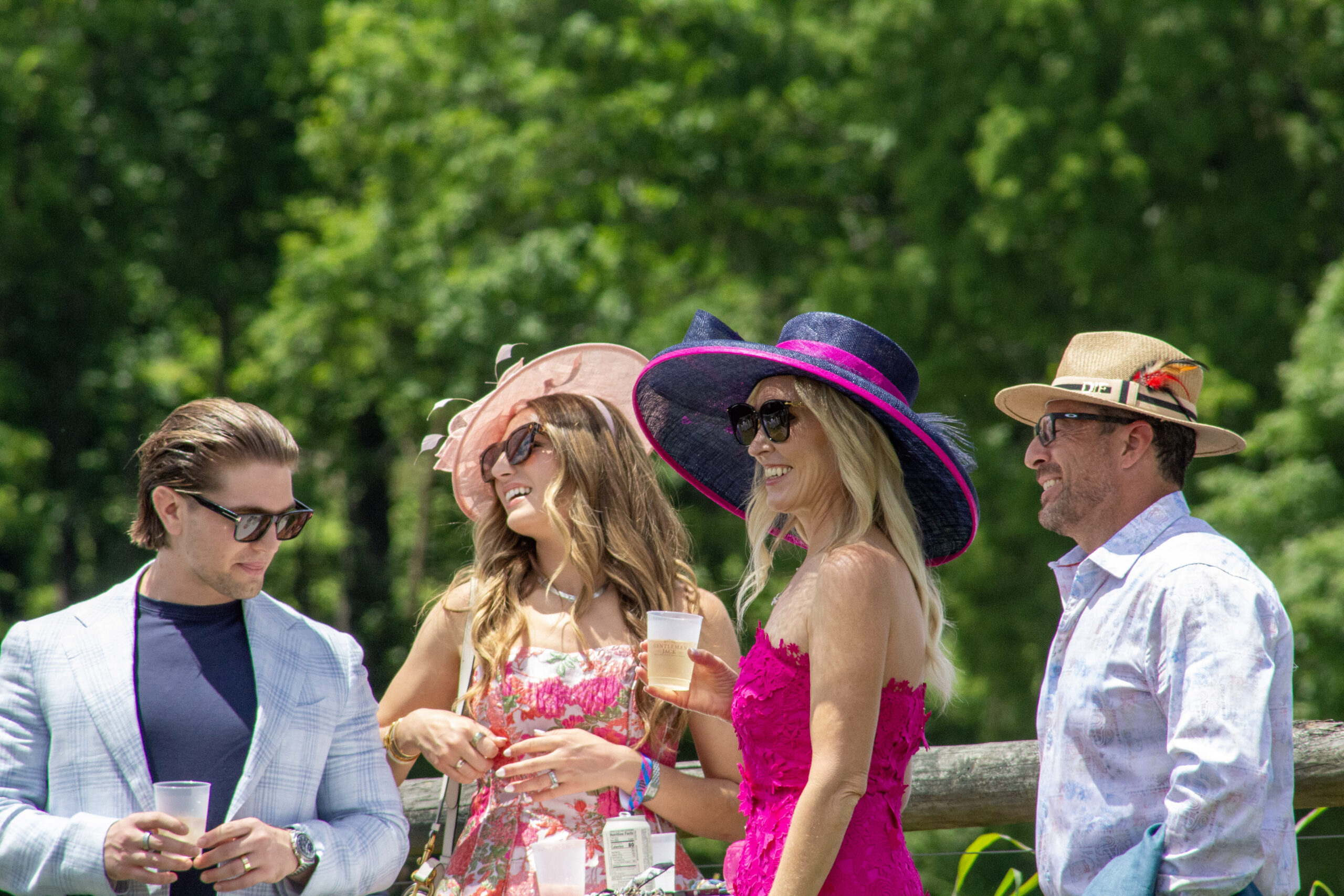
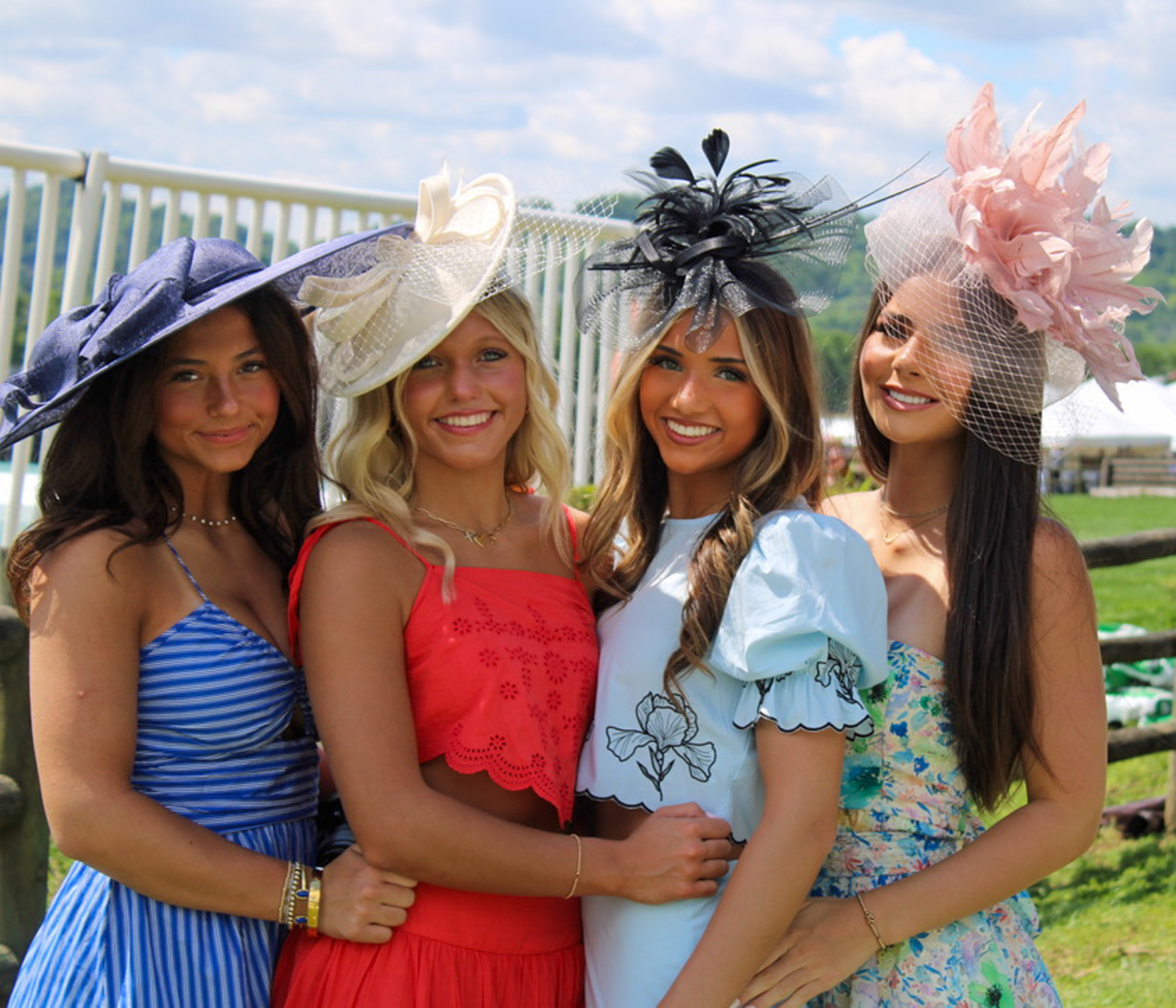
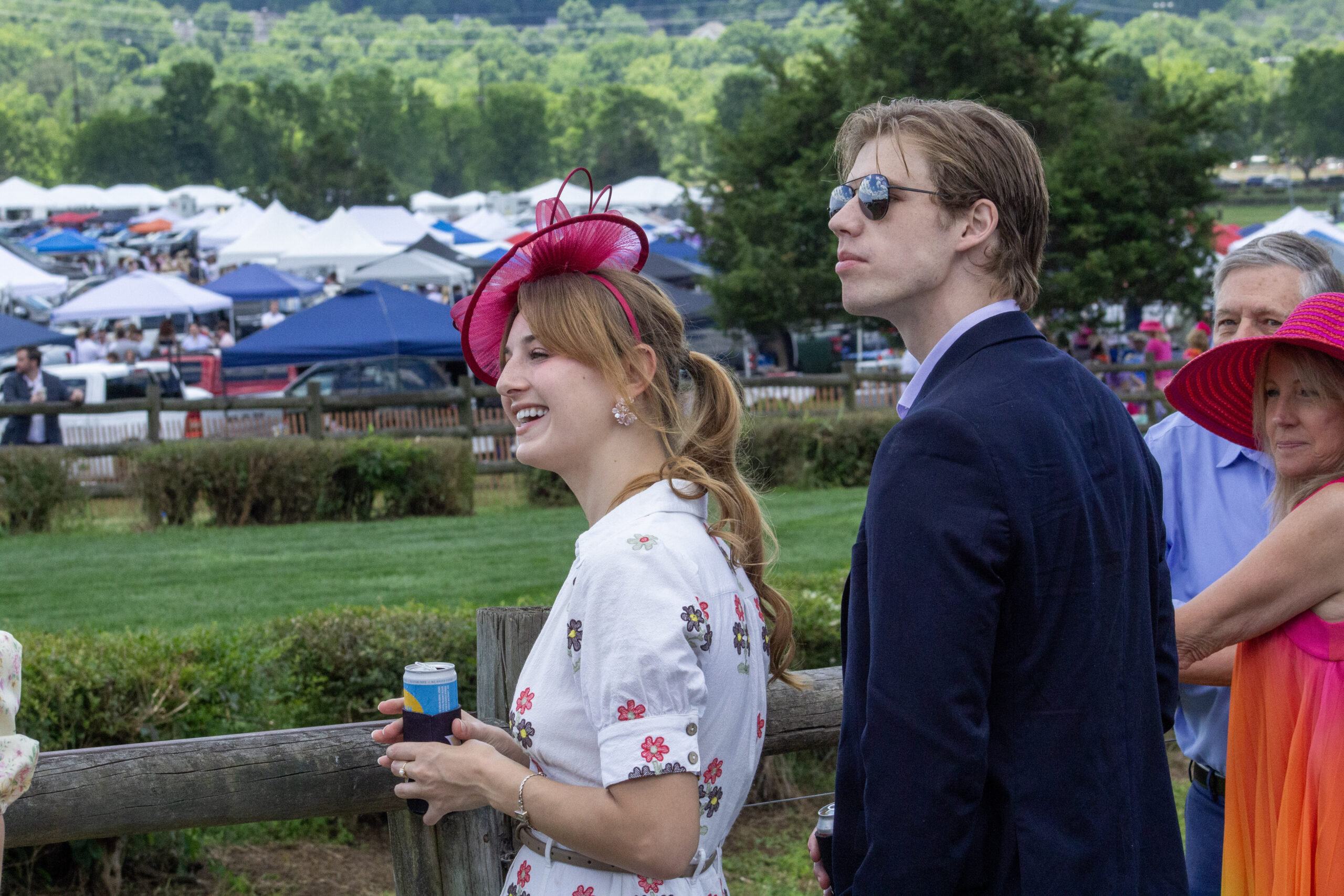
Crowds filled the hillsides and tailgate areas across Percy Warner Park. Guests arrived in colorful dresses, fascinators, boots, linen suits, and wide-brimmed hats while music drifted across the grounds. Hospitality tents filled throughout the afternoon as race fans moved between tailgate areas, the racecourse, food and drink vendors, and other gathering areas.
For a closer look at race-day style, visit our Iroquois Steeplechase Fashion Gallery.
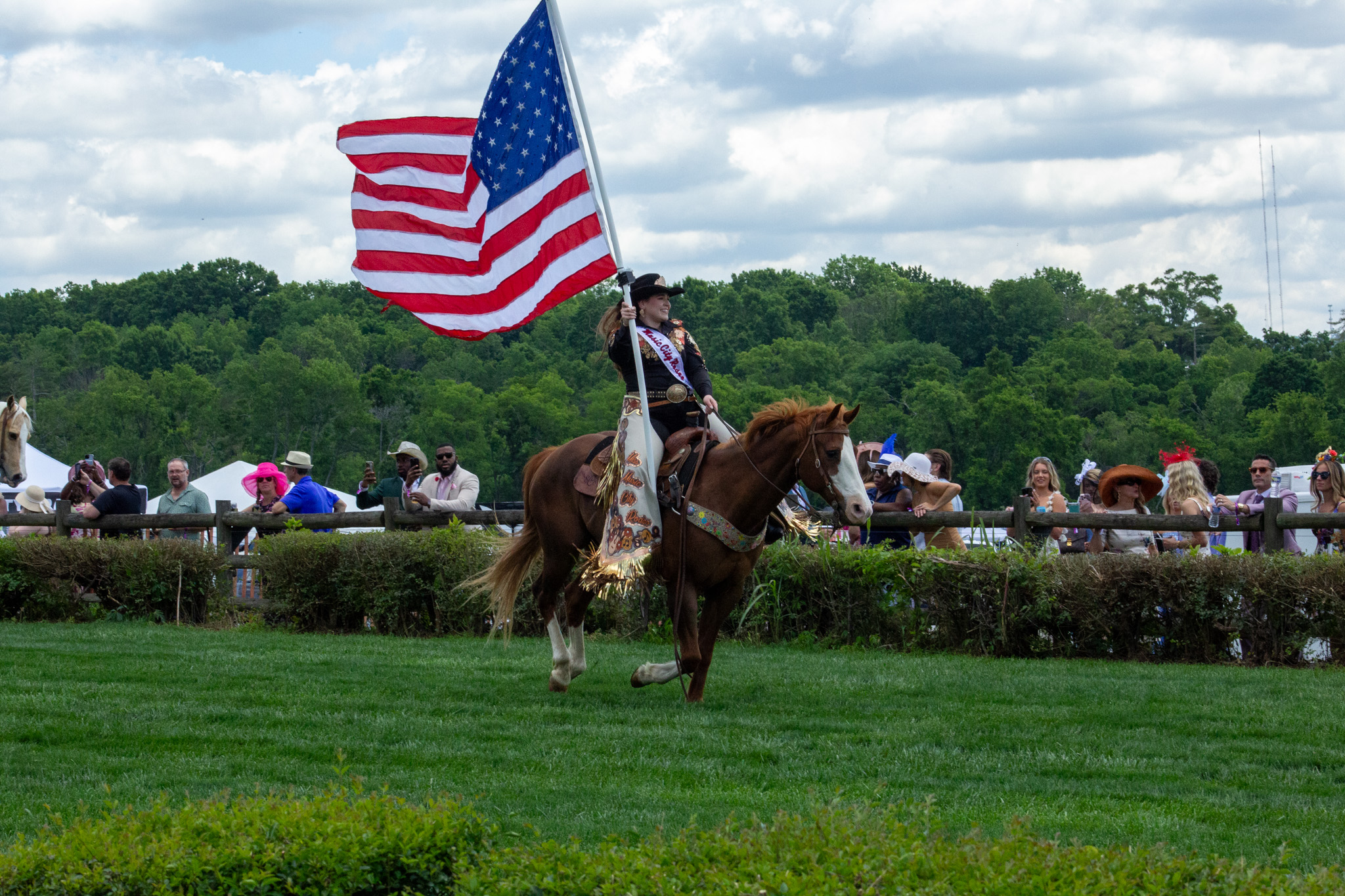
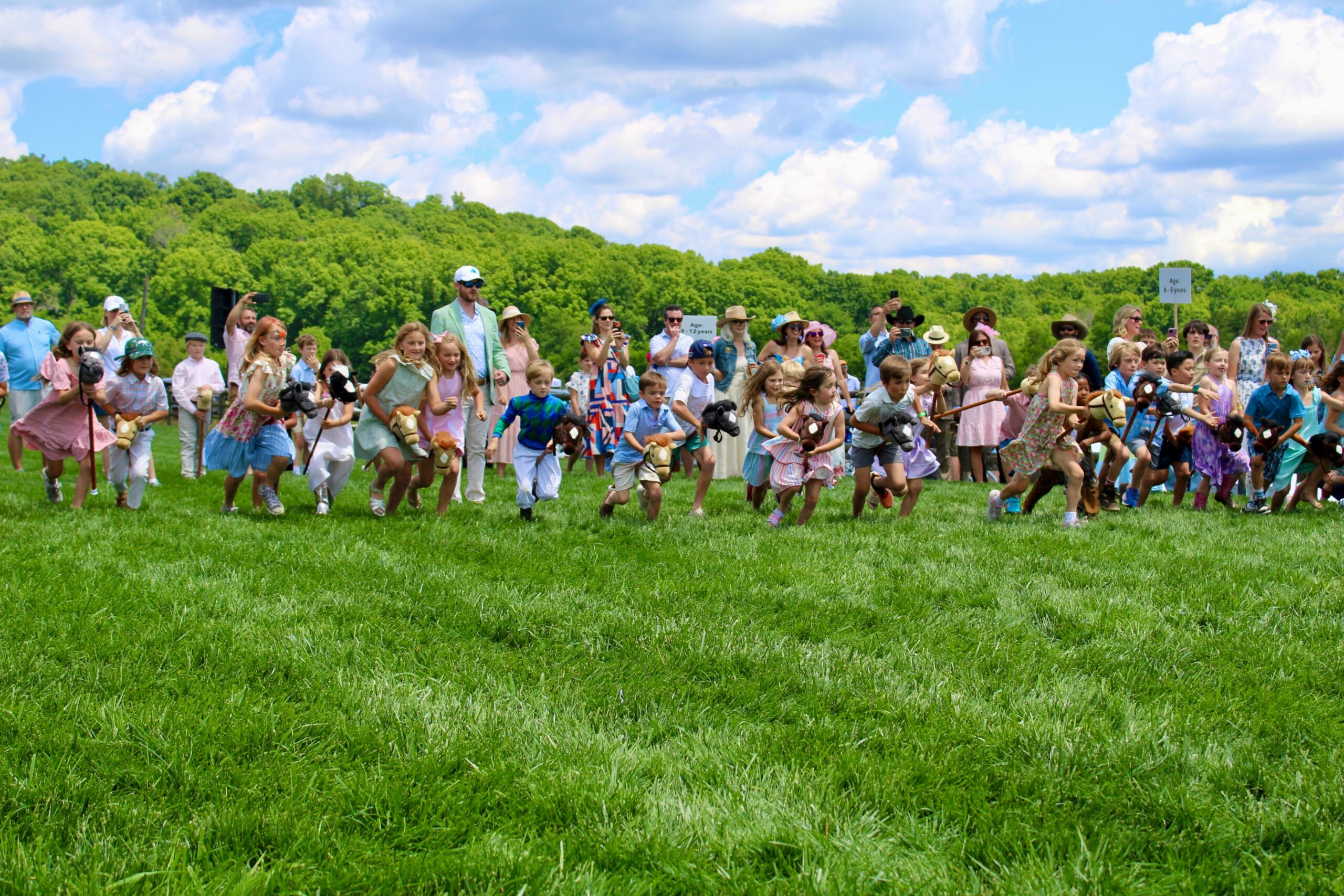
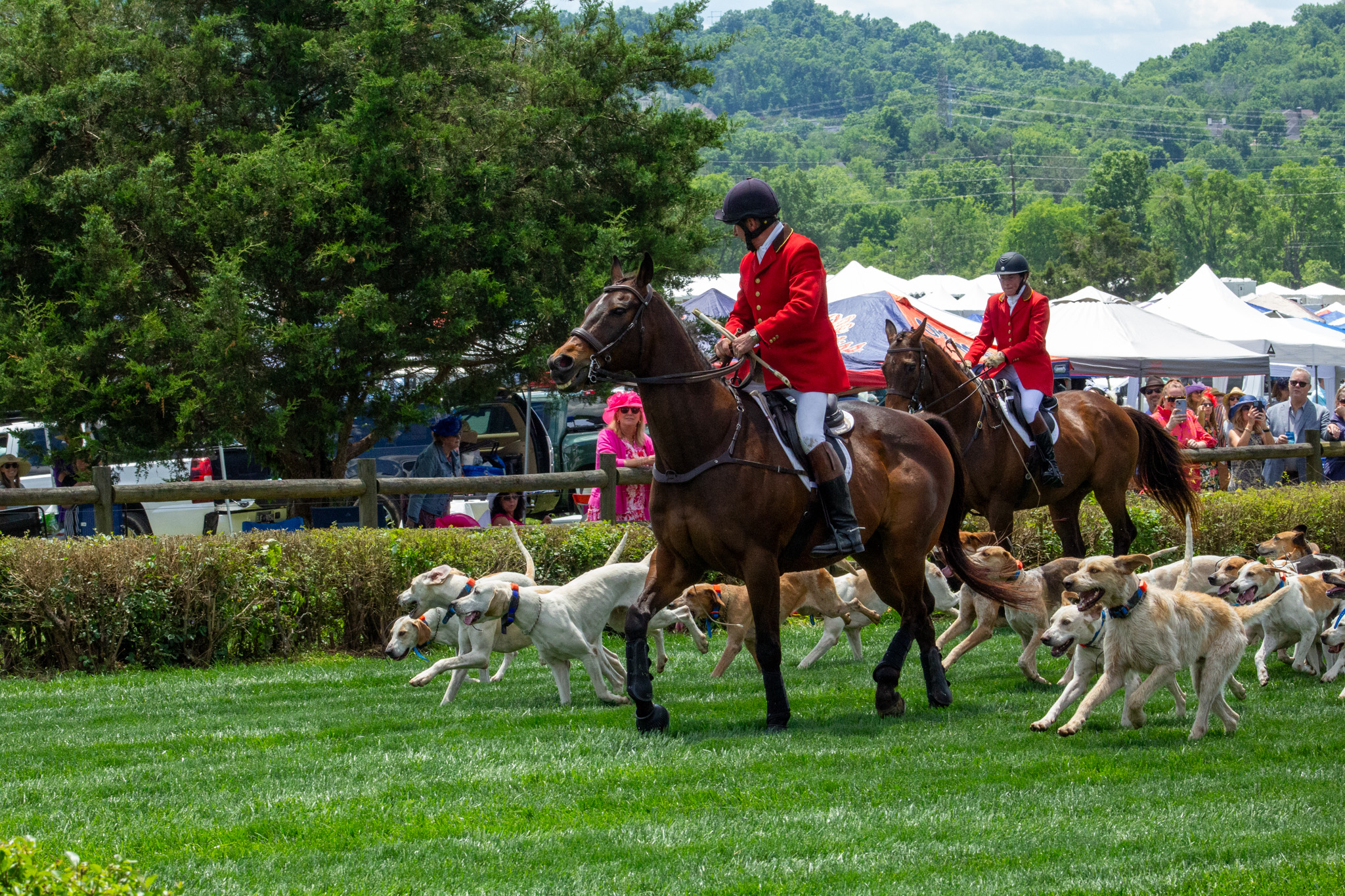
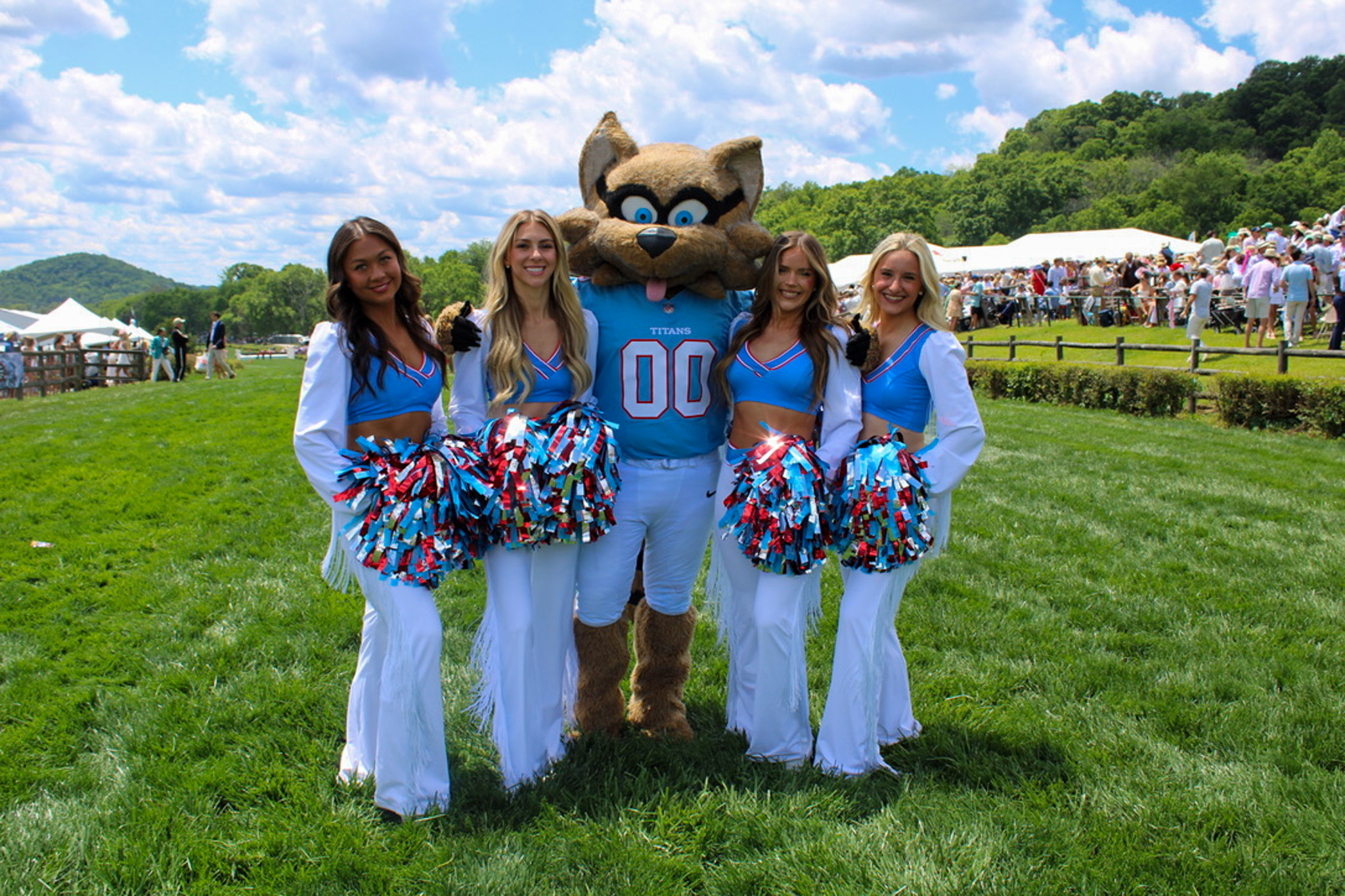
Family-friendly traditions are also part of the day. The Stick Pony Race gives young participants their own race-day moment, while the Parade of Hounds brings the event’s fox hunting roots into the modern Steeplechase experience. Before the featured races, hounds and handlers make their way onto the course, giving spectators another visible reminder of the traditions that helped shape the Iroquois Steeplechase. The day also includes lighter moments around the grounds, from photo opportunities to appearances by familiar local faces, such as Tennessee Titans cheerleaders and the team’s mascot.
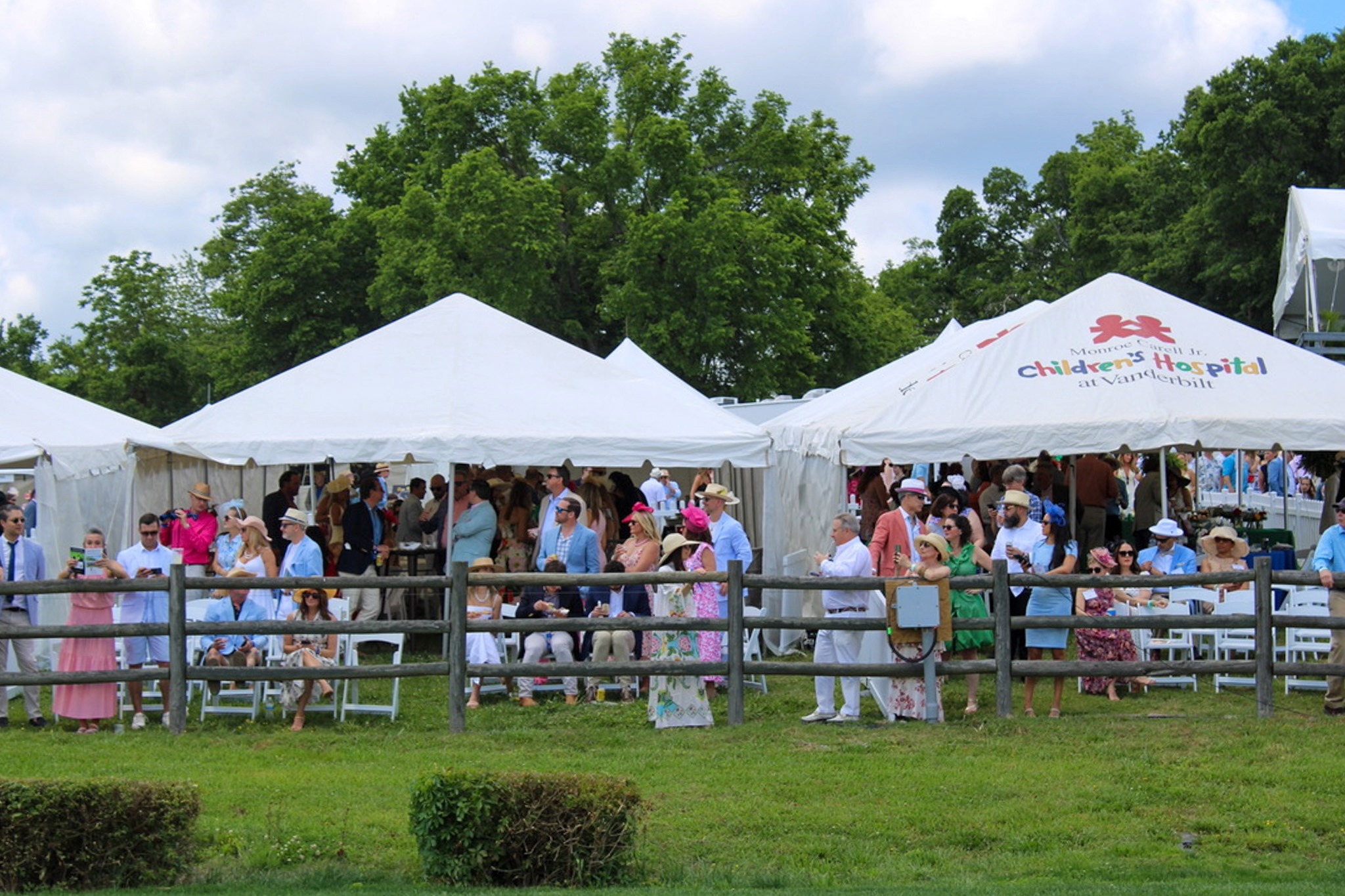
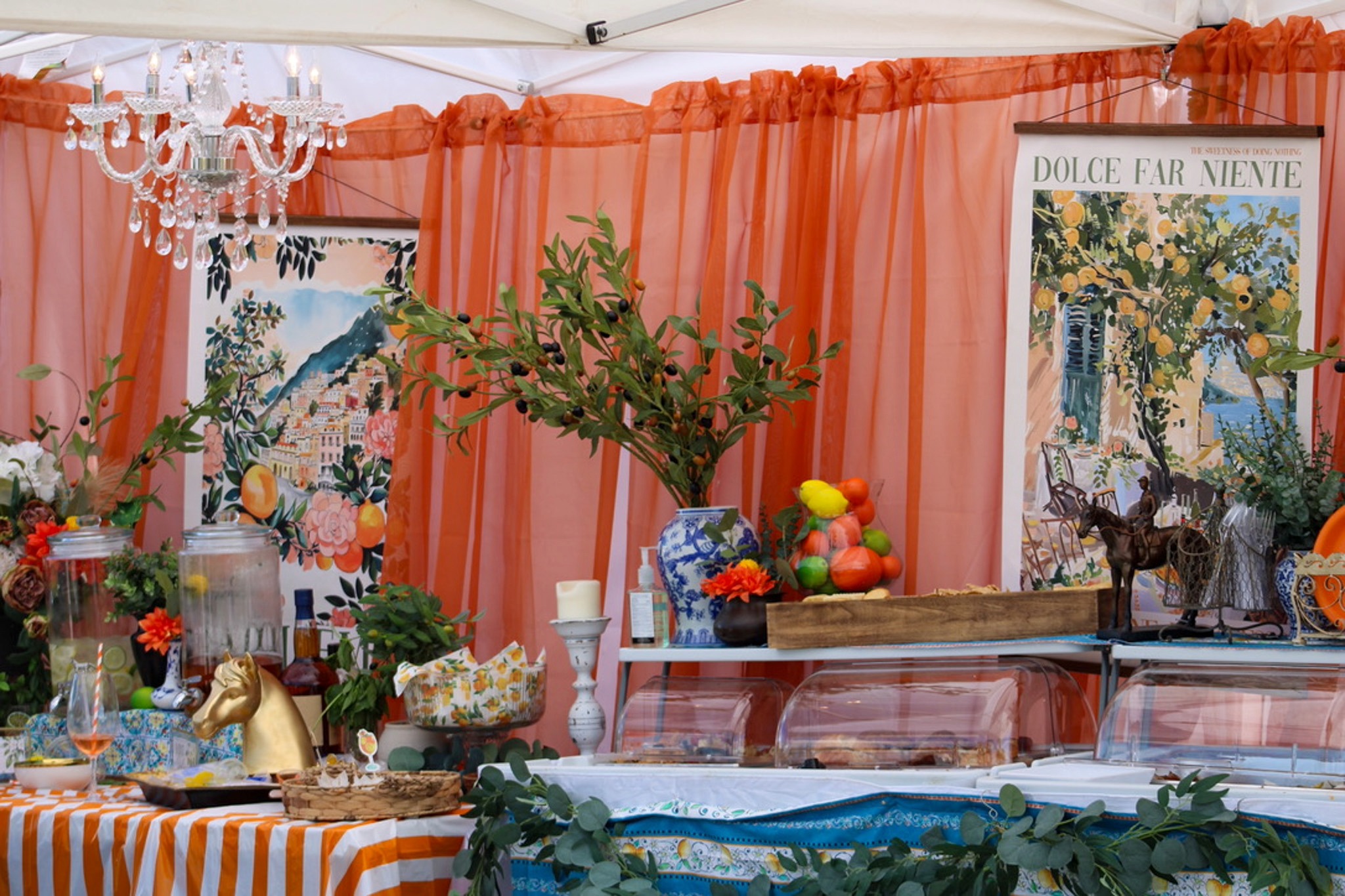
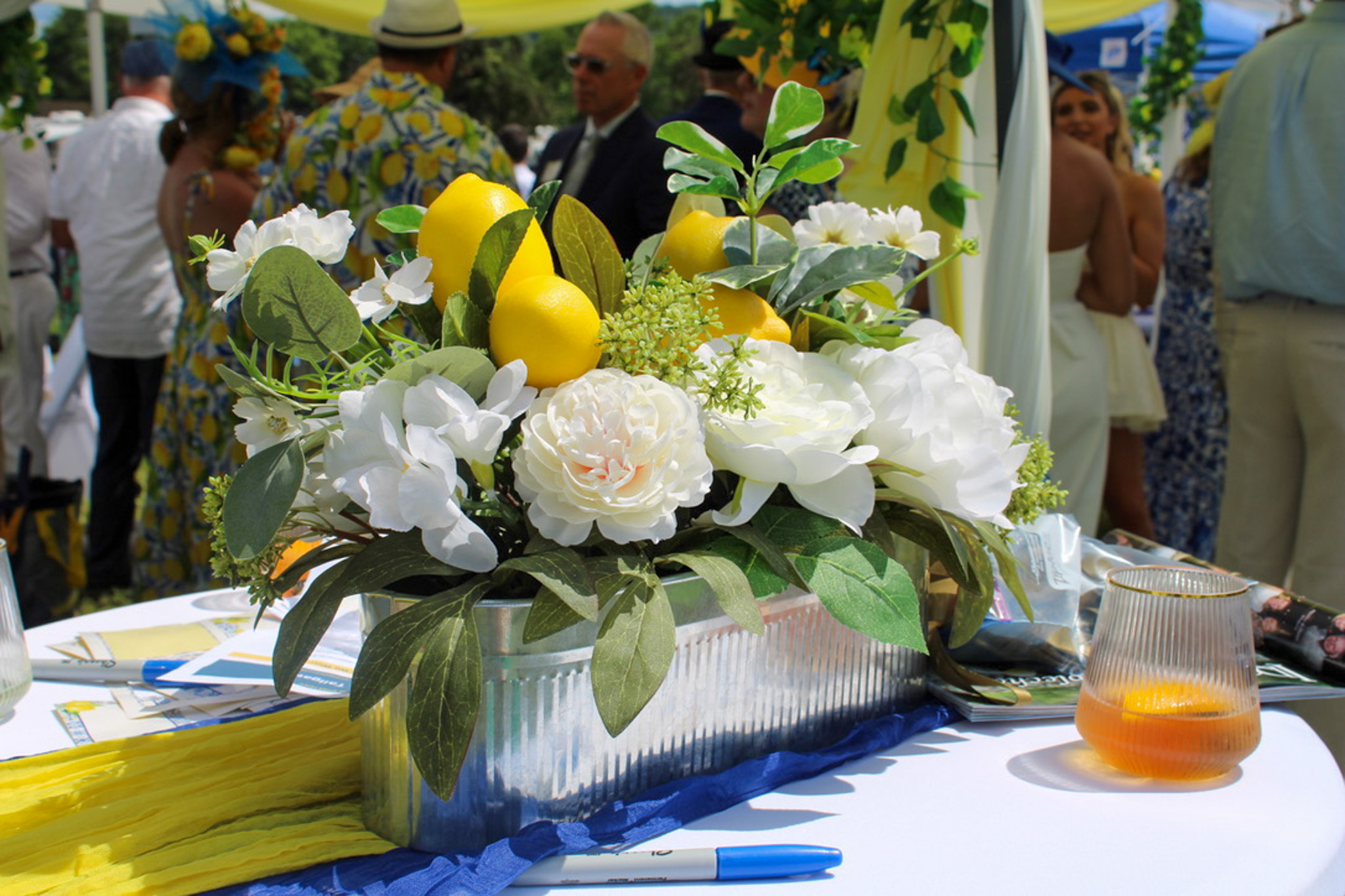
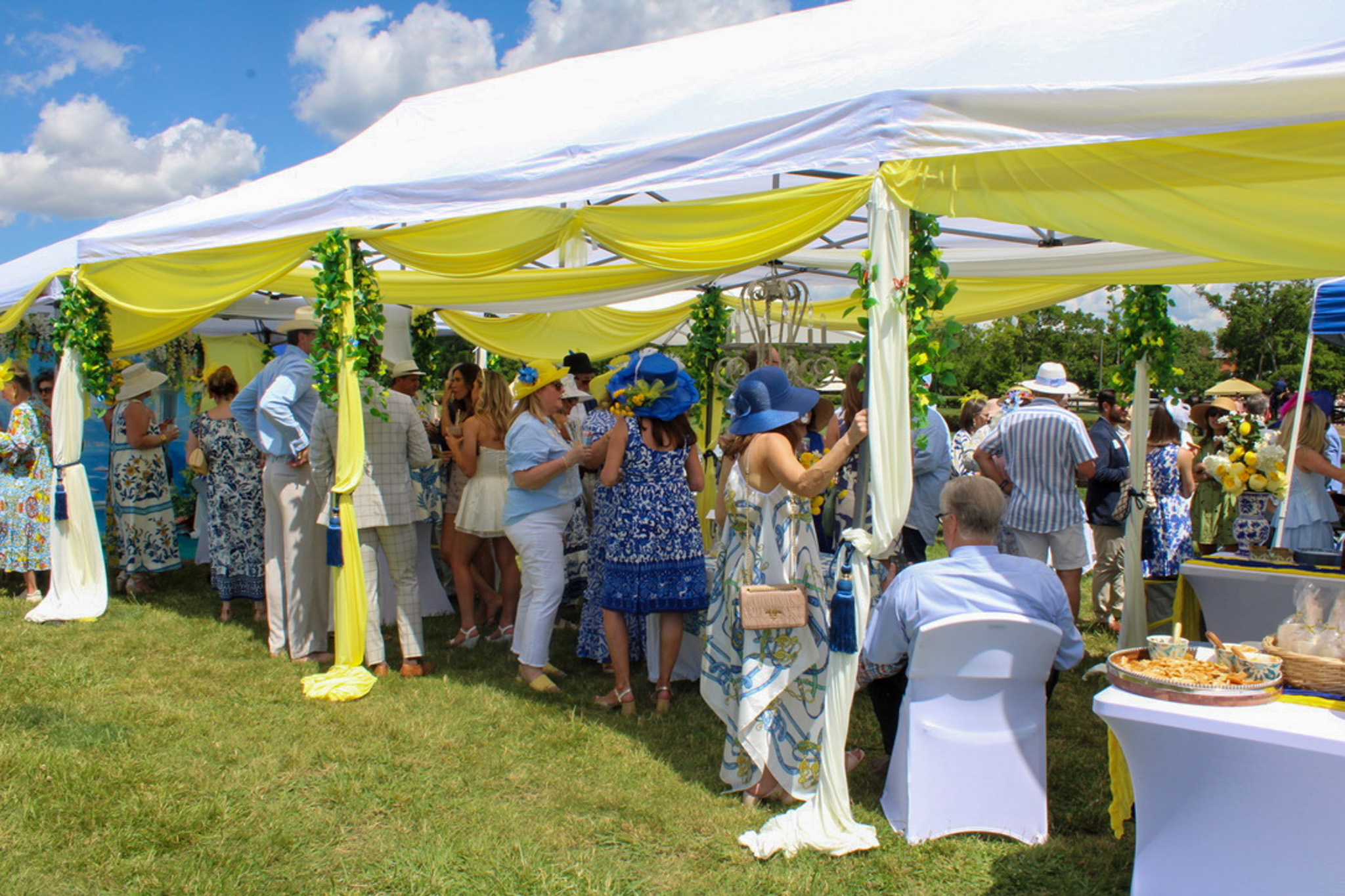
Viewing options are another big part of the Iroquois Steeplechase experience. Across the grounds, guests watch from private tents, box seats, tailgating spaces, shared hospitality areas, and trackside gathering spots, each offering a different way to take in the races. Some groups turn their tent or tailgate into a polished race-day setup, with flowers, table settings, coordinated décor, and food spreads that look almost as planned as the outfits. Others choose reserved seating, premium hospitality, or livelier areas with music, food trucks, and bar service.
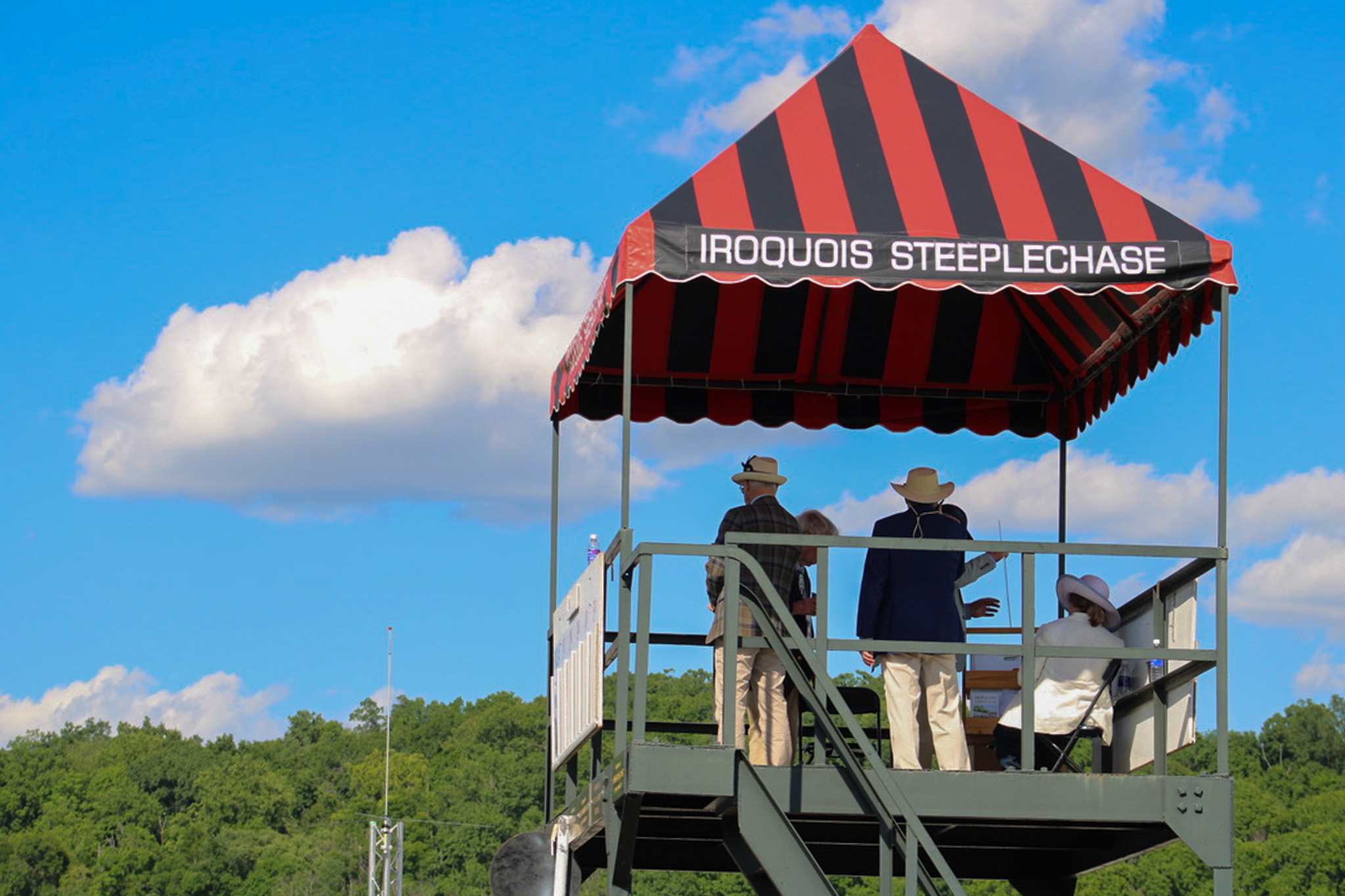
Throughout the day, horses thundered across the turf course while announcers called the races from above the crowd. Families gathered along the rails, photographers lined the course, and guests of all ages took in the race-day atmosphere, from longtime attendees to first-time visitors.
Parker Chenault, who is from Nashville and attended with a large group of students from schools including Ole Miss, Alabama, Tennessee, Georgia, and Vanderbilt, said this year marked roughly his seventh or eighth time at the Iroquois Steeplechase. He first started coming around seventh grade and has continued the tradition into college.
Walker Musser, who traveled from Atlanta and was part of the same group, was attending for the first time. “I’m very excited,” Musser said. “I’m having a blast.”
For Stacey Estrada, who traveled from a small town near Truckee, California, the Iroquois Steeplechase offered a chance to experience Tennessee for the first time while taking part in the fashion, history, and horse culture of race day. Estrada, who owns a 10-acre ranch and rides horses in the Sierra Nevada, said she found the event while looking for an alternative to the Kentucky Derby.
“All the history and everything involved with the Iroquois, I think it’s just fascinating,” Estrada said. “I was so thrilled to be here.”
For many people, that blend of sport, fashion, tradition, history, and Nashville culture is what continues bringing crowds back to Percy Warner Park every spring.
The Iroquois Steeplechase Continues to Evolve
Even after 85 years, the event continues adapting to newer audiences and changing traditions.
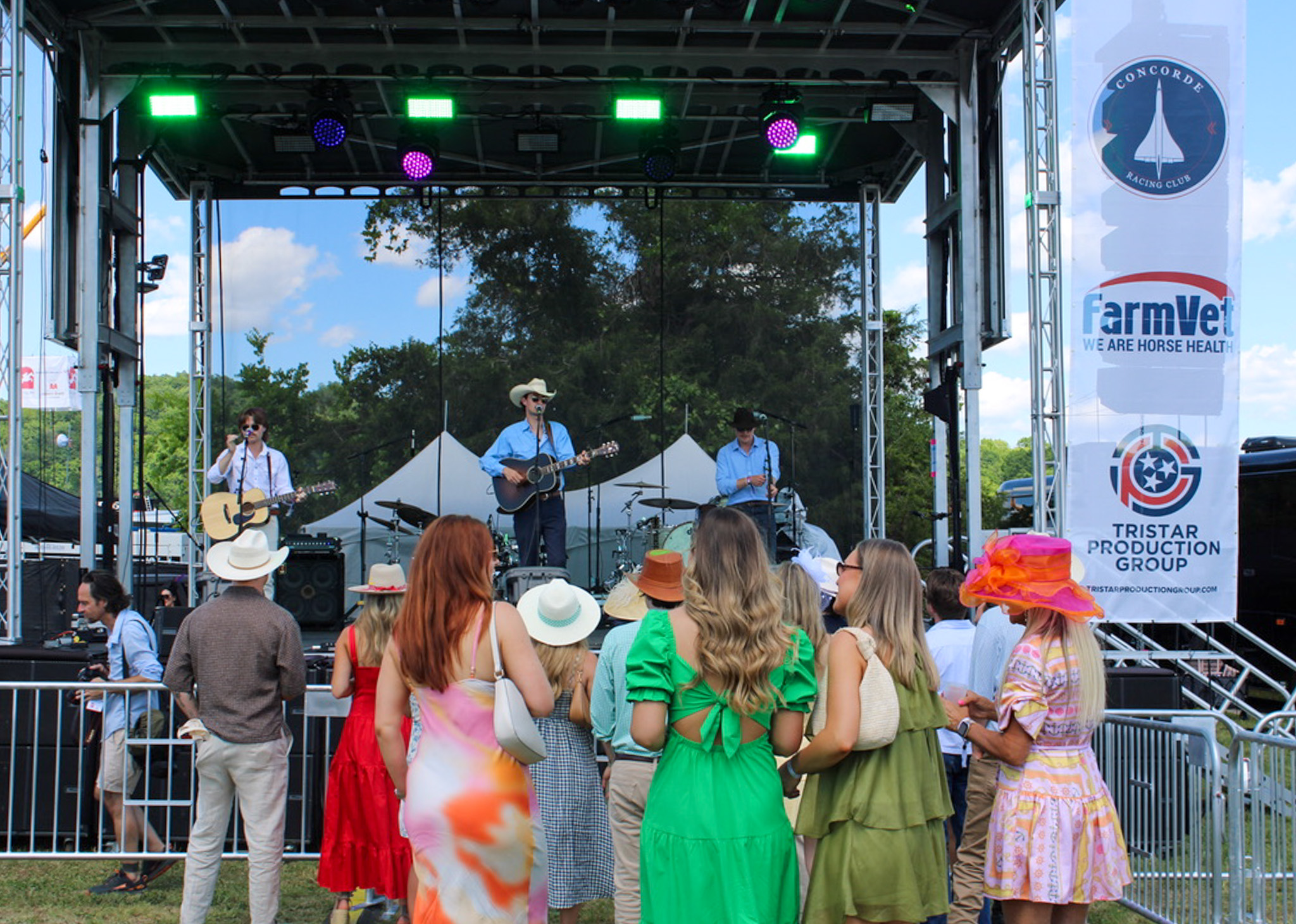
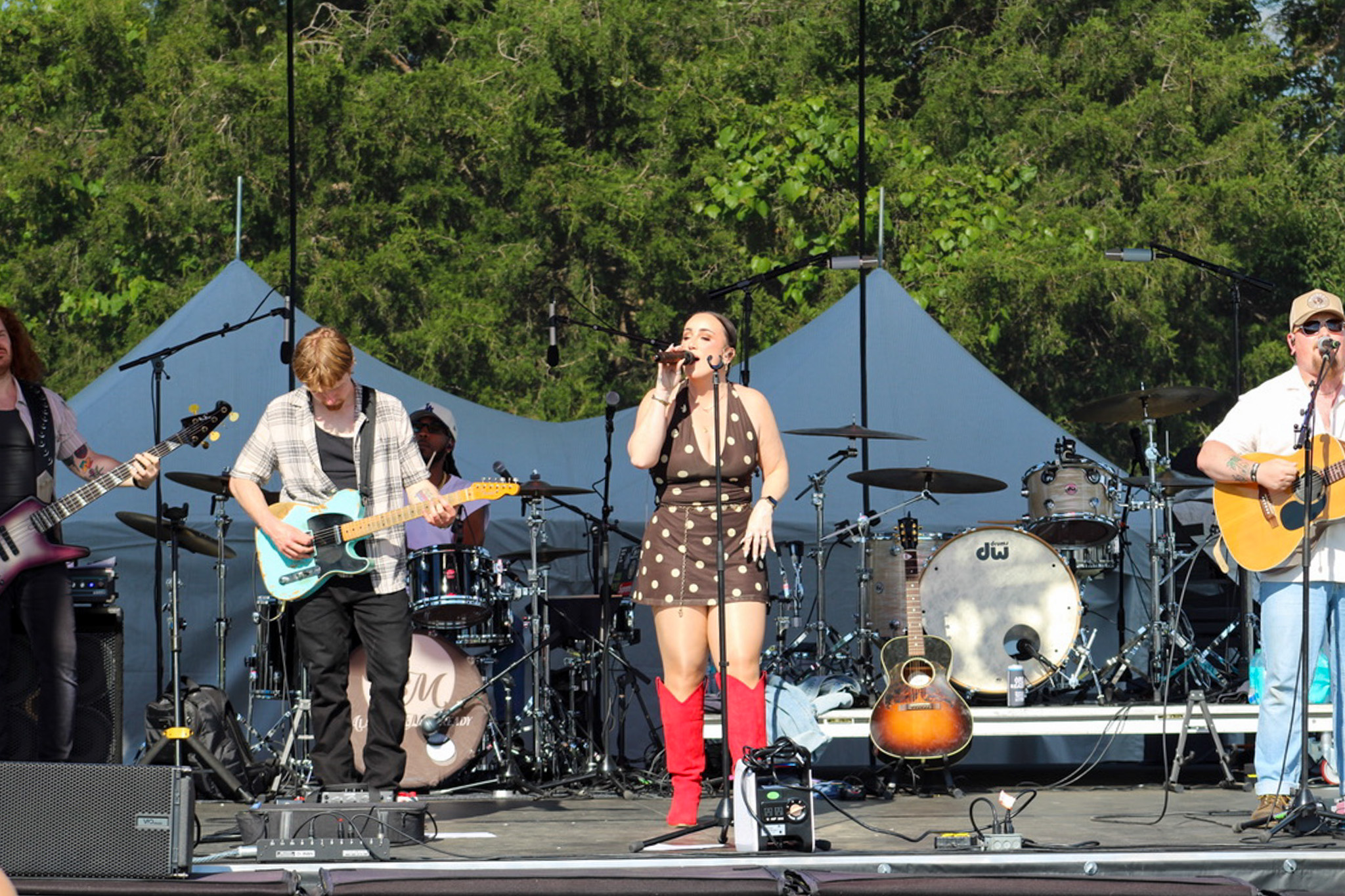
One of the biggest additions this year was the introduction of a live music stage, adding another layer of entertainment to the race weekend.
Country artist Alannah McCready was among the performers on the new live music stage and said the addition felt like a natural fit for Nashville.
“It turns this into a full festival,” she said.
Byrd said organizers also had to carefully position the stage and speakers away from the stable areas because horses can become unsettled by loud music and crowd noise before races begin. “We learned that the hard way,” Byrd said with a laugh.
The concert stage reflected the broader evolution of the Steeplechase atmosphere in recent years. While horse racing remains the centerpiece, the event has increasingly become known for its fashion, social gatherings, tailgating culture, and entertainment.
Lewis said the crowd atmosphere has changed noticeably over time.
“In recent years, it’s become a little more like the Derby,” Lewis said, referencing the growing popularity of elaborate hats, coordinated outfits, and social media-driven race-day fashion.
That shift has also changed how many guests experience the day. Some arrive as serious racing fans, while others come for the tailgates, fashion, music, and social atmosphere. For organizers, the challenge is balancing those newer race-day expectations with the traditions that have defined the Iroquois Steeplechase for generations, from the horses and hounds to the Belle Meade bells and the course itself.
For younger attendees, especially, the Steeplechase has become as much about the overall experience as the races themselves. Still, the evolution of the event has not replaced the sport at its center. Instead, it has added new ways for people to connect with a race weekend that continues to draw longtime fans and first-time spectators to Percy Warner Park.
Preserving a Nashville Tradition for the Future
From its early roots in Nashville’s horse racing history to today’s mix of sport, fashion, music, and philanthropy, the Iroquois Steeplechase continues to connect the city’s past with its present. What spectators see on race day is only part of the story, and the work to protect the course now extends well beyond race weekend.
Even as the event has evolved into one of Nashville’s biggest social weekends, the Iroquois Steeplechase continues to operate with a broader community mission. The event benefits Monroe Carell Jr. Children’s Hospital at Vanderbilt and other local nonprofits while also helping preserve and promote the sport of steeplechasing.
The long-term preservation of the racecourse is also the focus of Race for the Chase, a multi-year fundraising campaign launched in 2025 to support the historic Iroquois Steeplechase racecourse at Percy Warner Park. The campaign’s goal is to raise $3.75 million over the next few years for needed improvements to the course and its infrastructure, including drainage, irrigation, fencing, viewing areas, racecourse structures, and the historic barn.
Early improvements are already underway, and future work will help keep the course safe, sustainable, and ready for generations of racegoers, riders, owners, trainers, and volunteers. As the Iroquois Steeplechase looks beyond its 85th year, protecting the course also means carrying forward the tradition, community, and charitable mission that have made the event part of Nashville’s spring calendar for decades.