Ravenswood Mansion
The Brentwood Historic Commission will open several historic properties to the public on Sunday, August 2nd, from 2 to 5 pm.
The free event will give visitors a chance to explore Ravenswood Mansion, the cabins at Ravenswood, Cool Springs House, Boiling Spring Academy, and the restored Primm enslaved cabins.
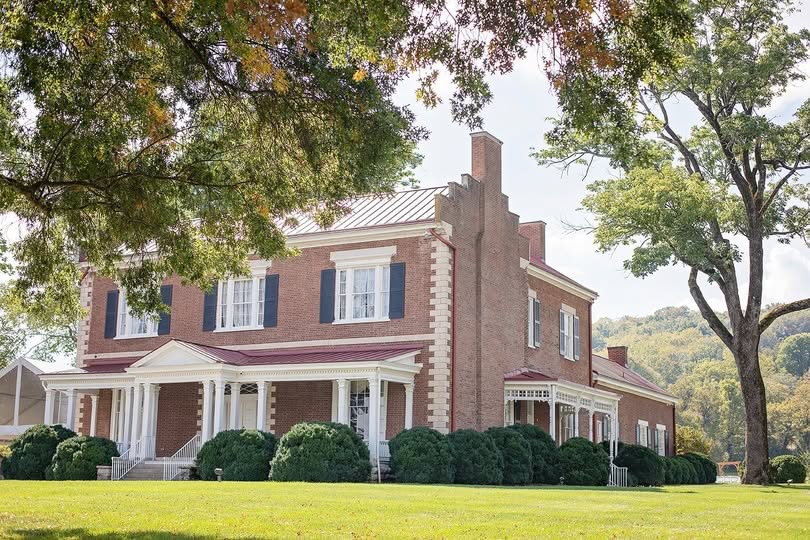
Ravenswood Mansion was built in 1825 for James Hazard Wilson II and his wife, Emeline. The home blends Federal and Greek Revival architecture, with sunburst details, stone accents, tripartite windows, and bullseye lintels. Its larger front porch and ornate side porch were added later, while the original doorbell remains inside the front entrance. The mansion is now used for tours and special events.
Two brick structures behind Ravenswood Mansion are associated with the enslaved people who lived and worked on the property. The preserved structures help document the lives and labor of people whose stories were long underrepresented in accounts of Ravenswood’s history.
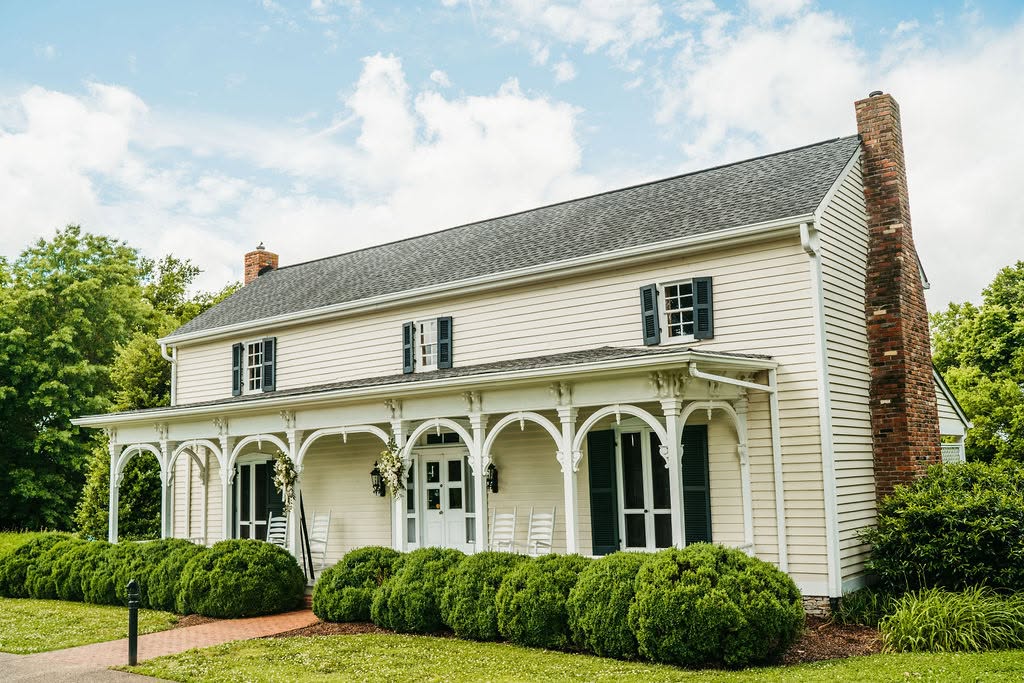
Cool Springs House
Cool Springs House began as a large log home built in the 1830s for the Carothers family near what is now Mallory Lane and Cool Springs Boulevard. Major additions in the 1870s expanded the house, while later restoration work uncovered its original blue poplar logs and flooring. The City of Brentwood acquired the home and moved it to Crockett Park, where it was restored and now serves as an event venue.
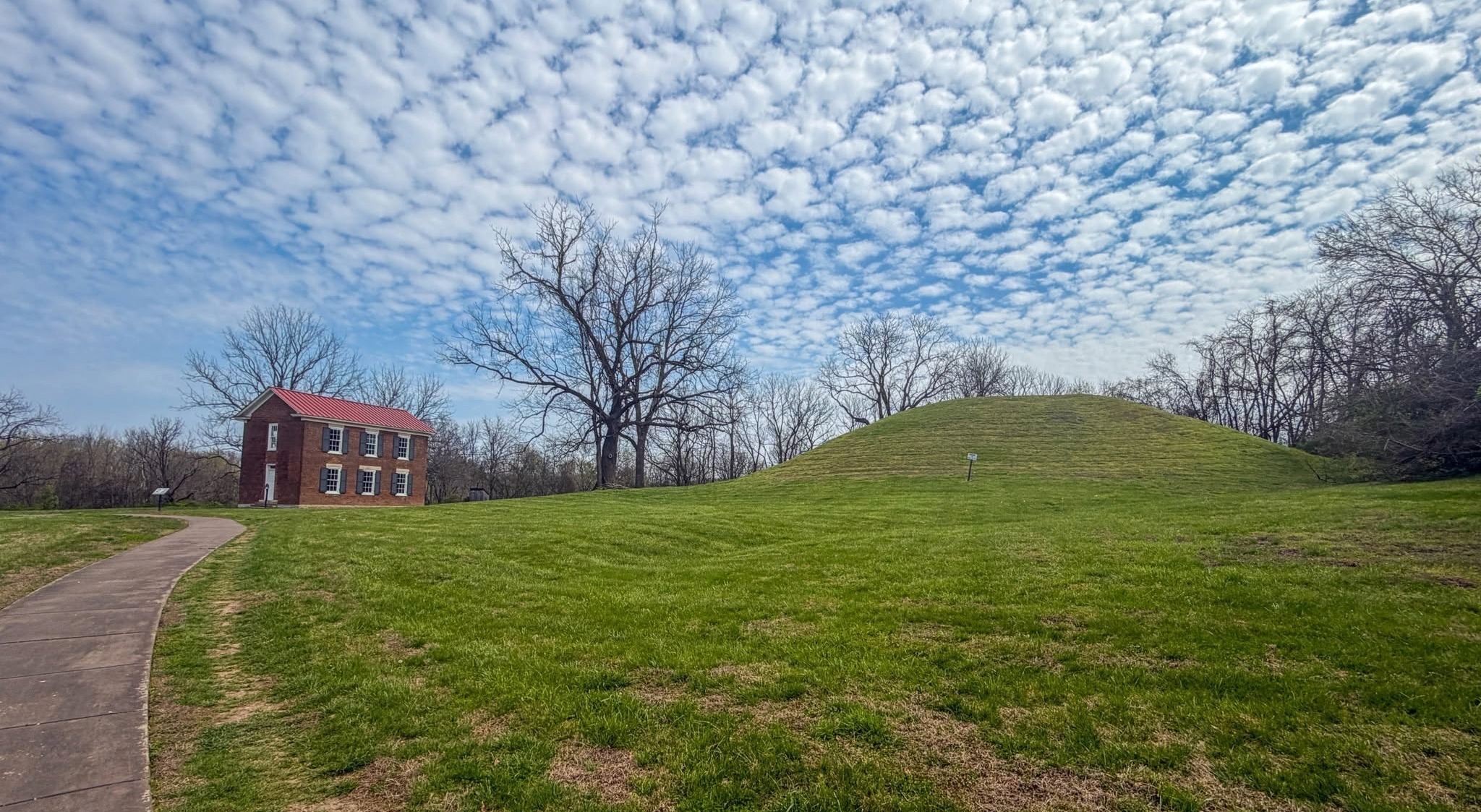
Boiling Spring Academy
Boiling Spring Academy is a one-room schoolhouse built in 1830 near Moores Lane and Wilson Pike. The academy and the surrounding Fewkes archaeological site were added to the National Register of Historic Places in 1980. After the city acquired the property in 2003, the Brentwood Historic Commission restored the school and developed a third-grade history program that recreates a school day in 1845.
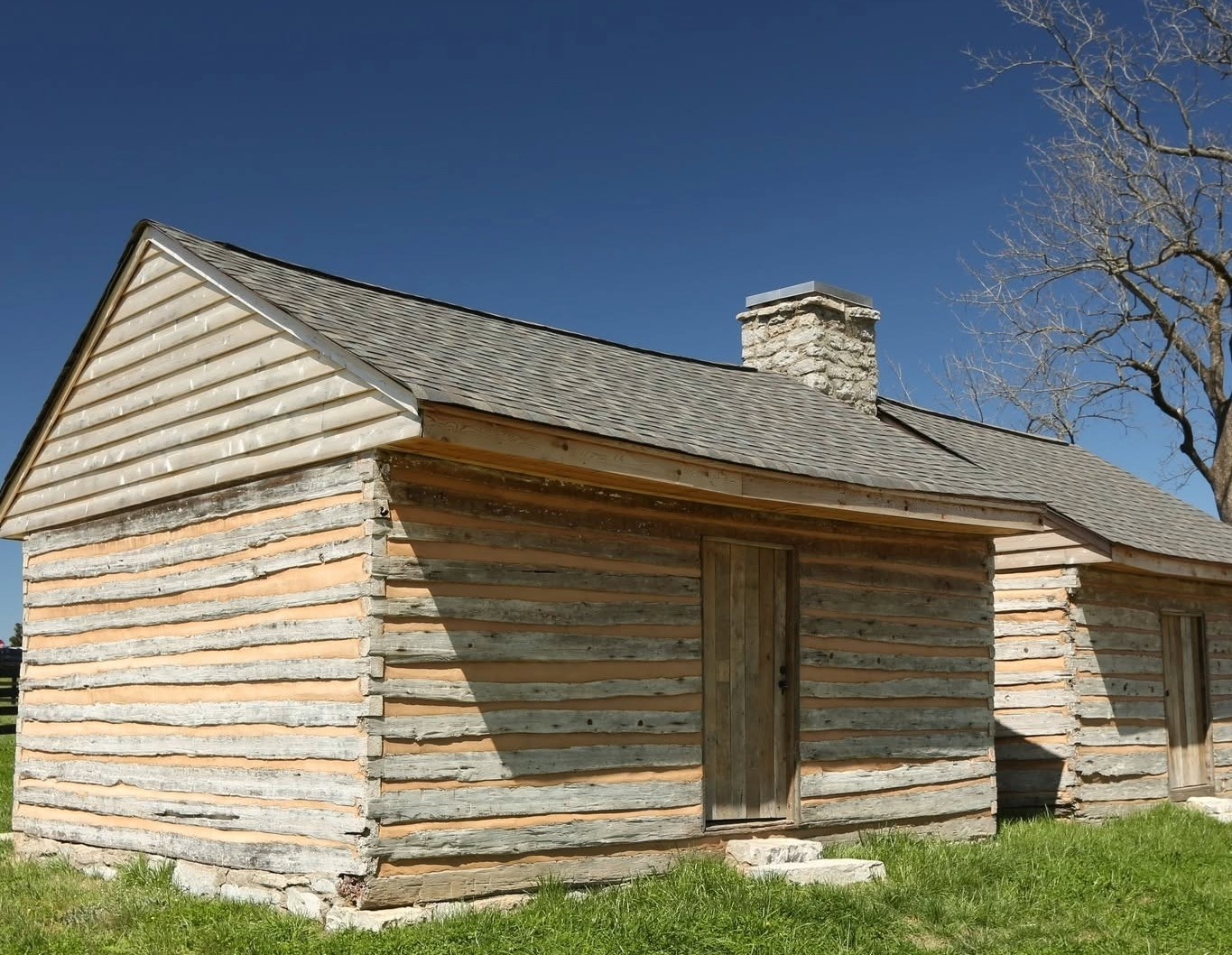
Primm cabins
The restored Primm cabins are located across Moores Lane from Boiling Spring Academy. The buildings are associated with the historic Primm property and the enslaved people who lived and worked there before the Civil War.
Guests may tour the properties at their own pace and visit as many locations as they choose during the afternoon. Historic Commission members and other volunteers will be stationed at each site to provide information, answer questions, and explain the history and preservation of the buildings.
Admission is free, and the event is open to the public. Additional information about Brentwood’s historic properties and preservation programs is available through the Brentwood Historic Commission.